
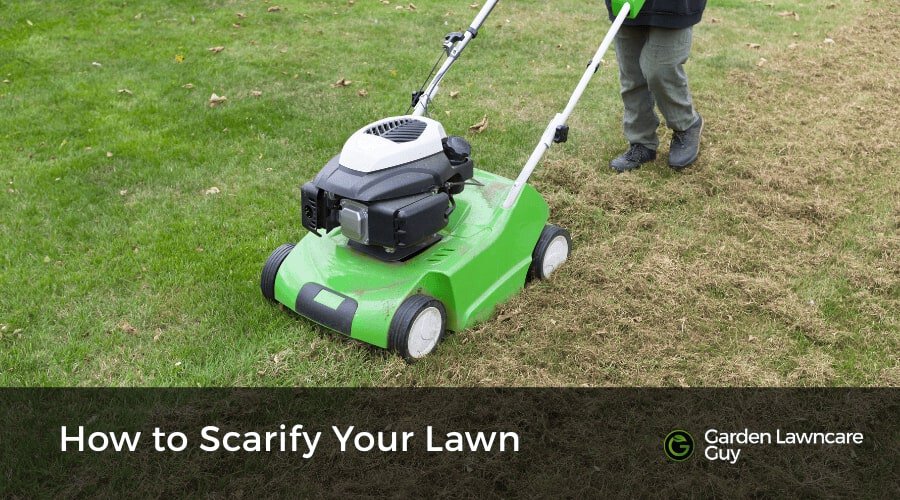
If your lawn looks tired, patchy, or full of moss, scarifying could be the answer. Scarifying your lawn is one of the most effective ways to improve its health, reduce thatch, and promote lush, vigorous grass growth.
In this guide, we’ll show you exactly how to scarify your lawn properly in the UK — when to do it, what tools you need, and what to expect afterwards.
- What Does Scarifying A Lawn Do?
- When Should You Scarify Your Lawn?
- Tools And Products You Need
- What Is A Lawn Scarifier?
- Step-by-Step: How To Scarify Your Lawn
- How Often Should You Scarify A Lawn?
- Is Scarifying Bad For Your Lawn?
- Does Scarifying Remove Healthy Grass?
- Should You Scarify A Wet Or Dry Lawn?
- Does Scarifying Remove Moss And Thatch?
- What Should I Do After Scarifying?
- Final Tips And Seasonal Reminder
- Frequently Asked Questions (FAQs)
What Does Scarifying A Lawn Do?
Scarifying removes the layer of thatch — dead grass, moss, and organic debris — that builds up on the soil surface. This layer blocks water, air, and nutrients from reaching the grass roots.
Removing it:
- Boosts root growth
- Reduces moss and disease
- Improves water and nutrient penetration
- Encourages thicker, greener grass
When Should You Scarify Your Lawn?
The best time to scarify in the UK is:
- Autumn (Late August–October) – ideal for established lawns, as recovery time is good
- Spring (Late March–April) – also suitable if you plan to overseed and feed afterwards
Spring and Autumn are also the best times to overseed your lawn to help it recover
Avoid scarifying during drought, frost, or periods of high stress on the grass.
Tools And Products You Need
- Manual Lawn Scarifier / Thatch Remover – for deep removal of thatch and moss
- Premium Hardwearing – for overseeding bare patches
- Dark Green Lawn Feed – supports lawn recovery post-scarification
Recommended Products
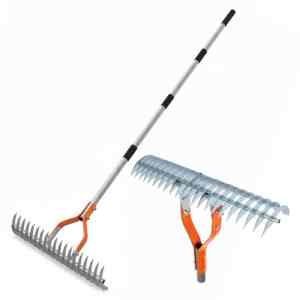
 From: £15.99Select options This product has multiple variants. The options may be chosen on the product page
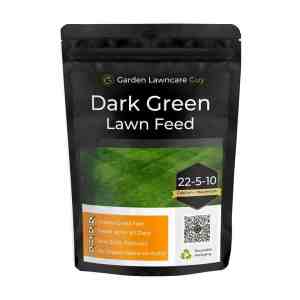 From: £20.99Select options This product has multiple variants. The options may be chosen on the product page
What Is A Lawn Scarifier?
A lawn scarifier is a tool designed to remove thatch, moss, and organic debris from the surface of your lawn. It works by cutting into the turf with blades or tines to pull up unwanted material and improve airflow, drainage, and nutrient access.
Types of Lawn Scarifiers
1. Manual Scarifiers
These are hand-pushed tools, often with wire tines or blades. Ideal for smaller lawns or lighter work, they’re quiet, budget-friendly but you may need to be prepared for a good workout on larger lawns!
2. Electric Scarifiers
Powered by electricity, these machines are suitable for medium-sized lawns. They dig deeper and faster than manual models and are great for homeowners who want consistent results with minimal effort.
3. Petrol Scarifiers
The most powerful type, petrol scarifiers are suited for large or heavily thatched lawns. They offer professional-level performance and are perfect if you have a big garden or tackle tough lawn conditions regularly.
Choosing the right scarifier depends on your lawn size, condition, and budget.
Step-by-Step: How To Scarify Your Lawn
Step 1: Mow Short
Cut your lawn to around 2.5–3cm or lower if you can before you begin. This makes scarifying more effective and prevents clogging.
Step 2: Scarify in Two Directions
Use a Manual Lawn Scarifier to rake the lawn first lengthwise, then again across. Apply even, firm pressure. For larger lawns use a battery or electric scarifiing machine.
Step 3: Collect Debris
Rake up all loosened moss, thatch, and dead material. You can compost this or bin it.
Step 4: Reseed and Feed
After scarifying, the lawn may look sparse — that’s normal. Overseed with grass seed if needed and apply a lawn fertiliser to aid recovery.
How Often Should You Scarify A Lawn?
For most UK lawns, scarifying once a year — typically as part of your spring or autumn lawncare regime— is sufficient to maintain a healthy grass surface. This routine helps control thatch, reduce moss buildup, and support dense, even growth.
However, if your lawn is prone to heavy moss, has poor drainage, or sees a lot of wear and tear, you may benefit from scarifying twice a year: once early in the year followed by seeding your lawn in spring to give the grass a strong start, and again in autumn to prepare it for winter.
New lawns or those recovering from issues might need a gentler touch, while older or neglected lawns could require more frequent and deeper scarification to restore balance. Always assess your lawn’s condition before deciding on the frequency.
Is Scarifying Bad For Your Lawn?
No — when done at the appropriate time and with the correct follow-up care, scarifying is highly beneficial for your lawn.
While it might look a bit rough immediately after, this temporary disruption clears the way for healthier, more vigorous growth by removing moss and thatch that choke your grass.
In fact, scarifying improves airflow, nutrient absorption, and root development — all essential for a greener, thicker lawn.
Problems only arise if scarification is done too aggressively, too often, or during the wrong season, such as during drought or extreme cold.
As long as you scarify when the lawn is actively growing and allow recovery time with feeding and overseeding, it’s a safe and powerful treatment.
Does Scarifying Remove Healthy Grass?
Scarifying may appear to remove healthy grass, especially when large amounts of material are pulled up during the process.
However, what you’re primarily removing is thatch, moss, and dead or weak grass that inhibits healthy growth.
While some green blades may come up as part of the process — particularly if the lawn is dense or overly stressed — this minor loss is more than offset by the long-term benefits.
After scarifying, you’ll stimulate fresh growth, allowing stronger, healthier grass to flourish and fill in the gaps.
Should You Scarify A Wet Or Dry Lawn?
Always scarify a dry lawn — but not a bone-dry one. Scarifying a wet lawn can cause serious damage, as saturated soil is more prone to tearing and compaction under pressure.
Wet thatch can also clog your scarifier or rake, making the process less effective and much harder work. Ideally, wait until the lawn is dry at the surface but moist underneath.
A light watering a day or two before can help if the soil is extremely dry, but avoid any signs of squelching or waterlogging.
Timing matters: mid-morning on a dry day is usually best, after the dew has lifted but before the ground heats up too much.
Following this advice will help ensure clean removal of moss and thatch without harming your grass or compacting the soil.
Does Scarifying Remove Moss And Thatch?
Yes, scarifying is one of the most effective ways to remove moss and thatch from your lawn.
Thatch is the layer of organic debris that builds up between the grass and soil – including dead grass, roots, and moss.
When this layer becomes too thick (more than 1cm), it restricts water, air, and nutrients from reaching the roots, leading to poor lawn health.
By scarifying, you physically rake out this unwanted layer, breaking up moss colonies and pulling up dead material.
This not only clears the surface but also opens up the soil to encourage stronger, deeper root development and improves the lawn’s ability to absorb water and nutrients.
Regular scarifying is key to keeping moss and thatch under control, especially in damp or shaded gardens prone to moss buildup.
Recommended Products
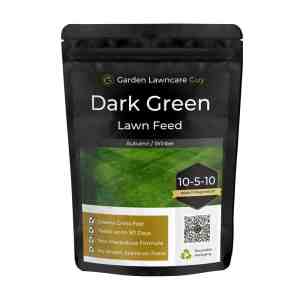
- From: £20.99Select options This product has multiple variants. The options may be chosen on the product page


What Should I Do After Scarifying?
It is important to feed your lawn with a high quality lawn fertiliser after scarifying to make sure it gets essential nutrients to help it’s recovery. The best lawn fertilisers are phased released granules because they are long lasting and don’t cause as much flush growth
If required reseed any bare or thin patches using a premium grass seed mix suited to your lawn type..
Water lightly but consistently for the first few weeks while the new seeds are establishing to keep the soil moist — avoid overwatering which can wash away seeds.
It’s important to avoid heavy foot traffic during this period, as tender new growth is easily damaged. Keep mowing to a minimum until the new grass reaches at least 1-2 inches in height.
Final Tips And Seasonal Reminder
Scarifying might make your lawn look worse before it looks better, but trust the process. Done correctly, it creates space for fresh, strong grass to thrive. Combine scarifying with overseeding and feeding, and you’ll see dramatic improvement in just a few weeks.




I’ve had to scarify my lawn it had a lot of thatch among the grass so decided to scarify cut it really short on last setting then electric scarify lawn had 3/4 wheelie bin full of thatch today have watering lawn with wetting agent and I’ve ordered from u a soil spreader and flute so I should get these on Thursday because of bank holiday Monday Matt I need to know next to use sand to level any uneven surfaces and do I need any fertiliser after doing the sand part and stage by stage as I’m not sure what to do in correct order alan hall