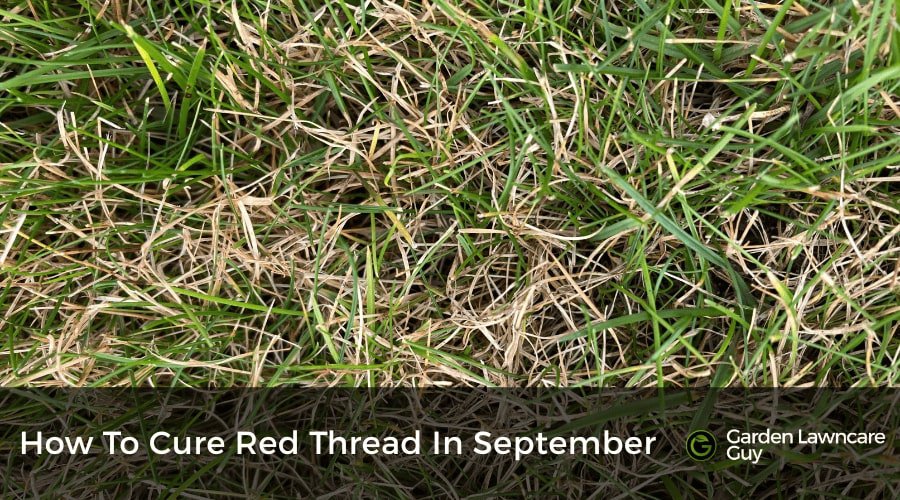
If your lawn has taken on a pinkish tinge with little red fibres clinging to the leaf tips, you are not alone. Many UK gardens see outbreaks just as autumn approaches.
This guide explains how to cure red thread in September with a calm, step by step plan that fits our climate. You will learn what causes it, what to do first, and which September treatments genuinely move the needle so you can get fast, healthy regrowth.
- Why Red Thread Appears In Late Summer & Early Autumn
- How To Cure Red Thread In September: Step By Step
- Does Red Thread Go Away On It's Own Or Do I Need To Treat It?
- What Is the Best Treatment For Red Thread In Lawns?
- Common Mistakes To Avoid
- Can I Use Fertiliser In September To Help Red Thread?
- How Long Does Red Thread Take To Clear Once I Start Treatment?
- Should I Mow A Lawn With Red Thread?
- How Do I Stop Red Thread Coming Back Next Autumn?
- Final Tips and Seasonal Reminder
Why Red Thread Appears In Late Summer & Early Autumn
Red thread is a foliar disease that flares when the weather is mild and humid, leaf surfaces stay damp for longer, and the grass is short on nitrogen.
That combination is common in August and September as nights lengthen and dew lingers. Add in compacted soil, thatch build up, and limited airflow and you have ideal conditions for red thread disease.
Think of recovery as a balance. The fungus damages leaf blades, but it rarely kills the plant. Your job is to help the plant grow new foliage faster than the damage occurs.
The quickest wins usually come from tidy mowing, collecting clippings, scarifying and aeration, and a seasonally appropriate feed that strengthens the sward rather than forcing soft growth. This forms the heart of effective red thread lawn treatment.
How To Cure Red Thread In September: Step By Step
Follow this two to three week plan. It is designed for typical UK lawns with perennial ryegrass and fescue mixes.
Day 1: Identify, tidy, and set your mowing plan
- Confirm the signs. Red or coral coloured threads on tan patches, usually 2 to 20 cm across. If you see jelly like tufts after damp nights, that is another clue.
- Set mower height for autumn. Aim for 35 to 45 mm on family lawns. This gives more leaf area for photosynthesis and better resilience.
- Mow when the grass is dry if you can. Collect all clippings and bin them. Do not compost diseased debris.
- Clean down the mower deck and blades after finishing. A quick wipe with a mild disinfectant helps.
Days 2 to 4: Reduce leaf wetness and thatch
- On dewy mornings, knock off dew with a light brush, a bamboo cane, or a quick pass of the mower on a high setting. Less leaf wetness means less infection.
- Scarify lightly if there is thatch. You are aiming to lift and remove dead material, not to strip the lawn bare in one go.
- Improve airflow where possible. Trim back overhanging plants and avoid leaving heavy items on the lawn.
Days 4 to 7: Feed for September conditions
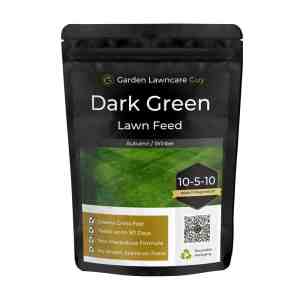
- Choose a specialised autumn lawn feed. Look for lower nitrogen and good potassium. Potassium helps harden cell walls before winter. A slow or controlled release nitrogen source is ideal.
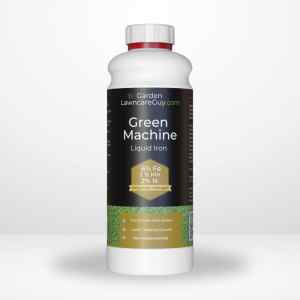
- Optional but helpful: a light application of iron sulphate for lawns can deepen colour and improve hardiness. It will not cure the disease directly, but it supports recovery and discourages moss as temperatures fall.
- Water in if conditions are dry. Early morning watering is best. Avoid watering late in the evening.
Week 2: Aerate, seed, and keep the momentum
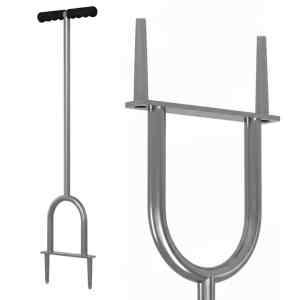
- Use a hollow core lawn aerator or spike aerator on areas that stay wet or feel spongy. Better drainage cuts disease pressure and helps roots access oxygen.
- Overseed any thinned patches after scarifying. Choose a quality grass seed mix suited to your lawn’s conditions. Keep the new seeds moist with frequent watering during the germination phase.
- Continue mowing at 35 to 45 mm, collecting clippings. If growth slows, reduce frequency but keep to the same height.
Week 3 and beyond: Review and maintain your lawn’s health
- Most lawns show clear improvement within 10 to 21 days once fed and tidied. Some pale patches can linger until new leaves fully replace damaged ones.
- If red thread persists despite good practice and balanced feeding, consider a soil test. Locked up nutrients or low organic matter can stall recovery.
- Keep up with gentle brushing on dewy mornings and avoid late watering.
- Keep on top of regular autumn lawn care maintenance so your lawn thrives.
This short, steady plan focuses on resilience and lawn fungus recovery rather than quick chemical fixes. It is safe, legal for home use, and aligns with how grass actually grows in early autumn.
Recommended Products
- From: £20.99Select options This product has multiple variants. The options may be chosen on the product page
 From: £15.99Select options This product has multiple variants. The options may be chosen on the product page
Does Red Thread Go Away On It’s Own Or Do I Need To Treat It?
Sometimes the weather breaks and the lawn appears to improve by itself. Cooler, drier days and a little extra nitrogen can sometimes help the plant outgrow the damage. But leaving it entirely alone is rarely the best approach.
Without attention, the problem can rumble on for weeks, leaving larger bleached patches and a thin sward that invites moss and weeds.
Treating does not need to be complicated. Mow at a sensible autumn height, collect clippings, brush off dew, and apply a balanced Autumn / winter feed that will provide your grass with essential nutrients, resulting in a lush, green, and thriving lawn.
If the thatch layer is obvious, scarify lightly and open the soil with a spiking fork or aerator. These simple steps are the difference between a lawn that limps into winter and one that looks tidy again within a fortnight.
What Is the Best Treatment For Red Thread In Lawns?
The best treatment is an integrated one that combines hygiene, sensible mowing, and nutrition set for the season. A typical sequence is:
- Hygiene first. Remove clippings, clean the mower underside, and avoid walking diseased debris across healthy areas.
- Balanced autumn feed. Use a lower nitrogen, higher potassium fertiliser in September. This supports new leaf growth without producing the very soft tissue that is vulnerable as nights cool.
- Iron for resilience. A light iron sulphate application can darken the sward and help it cope with stress. It is a supplement, not a silver bullet.
- Scarifying and aeration. Thatch and compaction both hold moisture on the leaf and around the crown. Removing thatch and opening the soil speeds drying and helps roots breathe.
- Overseeding bare patches. Disease thins the canopy. Fresh seed fills gaps before winter so weeds do not take advantage. Here is our full guide to overseeding your lawn.
There are no consumer fungicides for domestic lawns in the UK, and most gardens recover well without them. For most households, the plan above is the right answer for effective red thread lawn treatment.
Common Mistakes To Avoid
- Chasing quick green ups with high, fast nitrogen. That can give a short burst of colour but leaves soft leaf tissue that is more vulnerable later in autumn. Make sure yo go for specialised autumn feed which is lower in nitrogen.
- Mowing too low. Scalping stresses the plant and slows recovery. Keep family lawns around 35 to 45 mm in September.
- Leaving clippings on the surface. During active disease, remove clippings so you do not spread fragments and shade new growth.
- Watering at night. Late watering keeps leaves wet for hours. Water early in the morning if rain is scarce.
- Ignoring thatch and compaction. If the lawn feels spongy or water sits on the surface, prioritise scarifying and aeration. Skipping this step often means the problem returns.
Can I Use Fertiliser In September To Help Red Thread?
Yes, and for most lawns it is the turning point. The key is choosing the right analysis and applying it correctly.
- Choose lower nitrogen with good potassium. Nitrogen drives recovery, but in September you want a moderated release. Many autumn feeds sit in the broad range of 4 to 10 percent nitrogen with meaningful potassium to harden growth before winter.
- Prefer controlled or slow release nitrogen. This supports steady regrowth without a sugar rush.
- Consider iron sulphate for lawns. It will not eradicate the fungus, but it boosts colour and helps the plant present a tougher leaf surface.
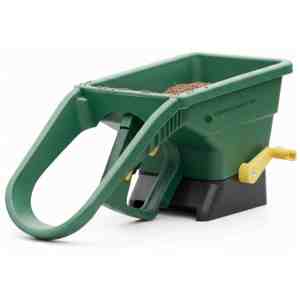
- Apply to a dry lawn and water in if conditions are dry. Even coverage matters. Use a calibrated spreader and walk at a steady pace.
- Do not double up or reapply too soon. Give the lawn time to respond. Over fertilising can stress roots and encourage other diseases.
If you are also planning to overseed, feed first, rake in the seed after scarifying, and then keep the seedbed lightly moist. Avoid heavy doses of nitrogen right on top of new seedlings in the first week.
Recommended Products
- From: £20.99Select options This product has multiple variants. The options may be chosen on the product page
How Long Does Red Thread Take To Clear Once I Start Treatment?
Timelines vary with temperature, rainfall, grass type, and how well you follow the plan. As a rule of thumb:
- First 3 to 5 days. Colour begins to even out as dew management and mowing remove the ragged look.
- 7 to 10 days. New leaf growth masks most blemishes on a well fed lawn. Iron applications deepen colour.
- 14 to 21 days. Patches have filled in on family lawns that were scarified lightly, fed, and kept at a steady height. Thinner areas that were overseeded are sprouting.
If after three weeks you still see fresh red fibres and no real recovery, look deeper. Check mower height and blade sharpness, test for compaction, and consider a soil test for nutrient lock up.
A one off stubborn episode can happen after prolonged wet weather, but there is always a reason if the lawn is not moving in the right direction.
Should I Mow A Lawn With Red Thread?
Yes, keep mowing. Regular, gentle mowing is part of the cure.
- Height. For most UK family lawns, set 35 to 45 mm in September. If you care for an ornamental lawn that tolerates closer cutting, avoid dropping below 25 to 30 mm while disease is active.
- Frequency. Little and often is better than infrequent heavy cuts. Aim for no more than one third of the leaf removed in any mow.
- Order of work. Mow healthy areas first, then the affected patches. Empty the box and clean down the deck at the end.
- Dew control. If mornings are very wet, flick off the dew before mowing. It gives a cleaner cut and reduces spread.
- Sharp blades. Torn tips brown quickly and make the lawn look worse. Sharpen blades at least once per season.
Keep collecting clippings until the lawn has fully recovered and the weather has turned cooler and drier.
How Do I Stop Red Thread Coming Back Next Autumn?
Think prevention as a year round habit, with a few moves that matter most from late summer onwards.
- Balanced seasonal feeding. Feed regularly throughout the year with a slow release (long lasting) feed that can be applied every 8-12 weeks like our dark green lawn feed. Use the dark green spring / summer feed for growth and to enhance colour between April and October, and then switch to an autumn / winter feed before winter.
- Manage thatch and compaction. Schedule light scarifying once or twice a year and aerate heavy or well used areas. Better air and drainage is the single most reliable way to prevent red thread.
- Overseed gaps. A dense sward is more resilient. Overseed thinned areas in early autumn so seedlings establish while the soil is still warm. Autumn provides ideal conditions for overseeding.
- Water wisely. Water deeply and infrequently during dry spells, and do it early in the morning. Avoid keeping leaves wet overnight.
- Good hygiene. Collect clippings during disease periods, clean the mower deck, and avoid wearing muddy shoes across the lawn.
- Choose robust cultivars when reseeding larger areas. Modern mixes offer excellent wear tolerance and recovery for family lawns.
Build these into your routine and outbreaks become shorter, milder, and often negligible.
Final Tips and Seasonal Reminder
Red thread is a signal, not a catastrophe. In September the goal is well fed grass that goes into winter with good density. Keep cuts sensible, collect clippings, brush off dew, and feed for the season rather than for short term colour.
If the lawn feels spongy or puddles after rain, make aeration and light scarifying part of your plan and overseed to restore thickness.
We stock autumn lawn feeds, iron, seed mixes, and the hand tools you need for scarifying and aeration. If you are unsure where to start, use the step by step plan above and focus on one job at a time. In two to three weeks you will see the difference.