If you’re asking, can you put iron sulphate on your lawn in winter, the short answer is yes, as long as you pick the right conditions.
Winter is often when lawns look pale, moss creeps in, and worm casts become a nuisance, so a light iron (also called ferrous sulphate) application can be useful when growth has slowed.
- Can You Put Iron Sulphate On Your Lawn In Winter?
- What Iron Sulphate Does In Cold Weather
- Best Winter Conditions For Applying Iron
- When You Should Not Apply Iron Sulphate
- How To Apply Iron Sulphate In Winter
- Will Iron Sulphate Kill Moss In Winter
- How Long Does Iron Sulphate Take To Work?
- Is Iron Sulphate Safe For Pets And Kids
- Common Mistakes To Avoid
- Quick Checklist For Winter Iron Use
Can You Put Iron Sulphate On Your Lawn In Winter?
Yes, you can apply iron sulphate in winter, but only during a mild, frost-free spell.
Aim for a day when the soil is damp (not frozen and not bone-dry), daytime temperatures are above about 5°C, and there is no heavy rain due for the next 24 hours. Avoid frosty mornings, waterlogged lawns, and newly seeded grass.
Iron sulphate can be used through winter as a lawn fertiliser because it improves colour without forcing soft, sappy growth the way high-nitrogen feeds can.
That makes it a handy “winter tonic” for UK lawns that are growing slowly but still under stress from low light, wet weather, and traffic.
Our guide on when to apply lawn feed in the UK covers which products to apply to get the best results all year round
What Iron Sulphate Does In Cold Weather
Used correctly, iron sulphate can help with a few common winter issues:
- Greener colour: iron supports chlorophyll production, so the lawn can look deeper green even when growth is slow.
- Moss knock-back: Some Iron sulphate products can blacken and weaken moss during mild, damp spells, making it easier to rake out later.
- A firmer-looking sward: Many lawns look less wispy after a light iron application.
- Less obvious worm casting: Some gardeners use iron-based treatments to reduce how noticeable casts are, although results vary.
It is not a cure-all. If your lawn is shaded, compacted, and stays wet, moss and poor colour will return unless you tackle those conditions too.
Best Winter Conditions For Applying Iron
In most UK gardens, the best winter window is a mild spell between December and February when the lawn isn’t frozen or saturated
Choose A Mild, Frost-Free Spell
- Avoid any day with frost on the grass, frozen ground, or snow.
- Look for daytime temperatures above about 5°C.
- If nights are freezing, wait for a run of milder nights too.
Aim For Damp Soil, Not Squelchy
Iron needs moisture to work, but if the lawn is waterlogged you will compact it just by walking on it. A good test is simple: if your footprints fill with water or the lawn feels spongy, leave it.
Watch The Forecast
Light showers are not usually a problem, but heavy rain soon after application can wash product onto hard surfaces and reduce effectiveness. Ideally, apply when you have a reasonably settled 24 hours.
When You Should Not Apply Iron Sulphate
Skip application if any of the following are true:
- The lawn is frozen, frosty, or covered in snow
- The ground is waterlogged or you sink in when walking
- Heavy rain is forecast in the next 24 hours
- The lawn is newly seeded or very young
- You cannot keep the product off paths, patios, decking, or stone (staining risk)
If you have bare spots Winter might not be the best time seed your lawn as the temperatures can be too cold for grass seed to grow. Whilst you can still apply some fertilisers in colder weather, seeding is more suited to warmer weather.
How To Apply Iron Sulphate In Winter
Always follow the label for the product you have, but these principles help you get an even, safe application.
Use The Correct Dosage
Stick to the recommended rate. Over-application can scorch grass, cause very dark patches, and increase staining risk.
Granular, Soluble, And Liquid Iron
- Soluble iron : (a powder to be mixed with water) is good for even coverage and quick results.
- Granular : (sometimes blended with sand or fertiliser) can be easier on larger lawns, but they must be applied evenly.
- Liquid Products : Liquid iron sulphate is convenient with a sprayer and can act quickly.
Apply Evenly
For small lawns, take your time and work in overlapping passes.
Learning how to apply lawn feed is a simple but critical part to lawncare as uneven application is the main reason people see stripes or dark patches.
Using a Watering Can To Apply Iron Sulphate
- Add a small amount of water to the watering can.
- Add the recommended dose of iron sulphate.
- Mix well, then top up with the remaining water.
- Apply evenly over the treatment area.
Tip: Use a watering can with a fine rose so the liquid spreads evenly across the lawn.
Using A Sprayer To Apply Iron Sulphate
- Add a small amount of water to the sprayer.
- Mix in the required dose.
- Top up with the remaining water and apply evenly.
Tip: Avoid windy days or very fine nozzle settings as spray can drift onto paving or into borders.
Applying Granules
Alternatively, you can use granular iron sulphate and apply them with a handheld spreader for even coverage. For best results, do two lighter passes in different directions.
Avoid Hard Surfaces
Iron stains paving, concrete, decking, and stone. Before you start:
- Sweep edges so granules cannot stick on wet patios.
- Cover or move items that can stain (pots, garden furniture).
- Rinse any accidental spills straight away.
Aftercare
- Keep pets and children off until the lawn is dry and any granules have been brushed in or dissolved.
- Don’t mow unless the grass is growing and the lawn is dry enough to cut cleanly.
- If moss turns dark and brittle, wait for a drier day and rake it out gently.
Will Iron Sulphate Kill Moss In Winter
It depends on the product and the conditions. Iron sulphate can blacken and weaken moss during mild, wet spells, but not every iron product is intended or labelled for moss control.
Iron sulphate products commonly fall into two categories
- Lawn Fertiliser (grass greening) : designed to improve colour and lawn appearance
- Moss Control Products : labelled for moss control / killing moss
If you are using a moss killer product a practical approach is:
- Treat moss during a mild spell.
- Leave it to darken.
- Remove the dead moss when conditions are dry enough to rake without tearing up the lawn.
- Always follow the label and safety instructions.
If your lawn is heavily mossy, also tackle the causes:
- Improve drainage where water sits.
- Reduce shade if possible.
- Aerate compacted areas when the ground is not waterlogged.
- Raise mowing height in autumn and avoid scalping.
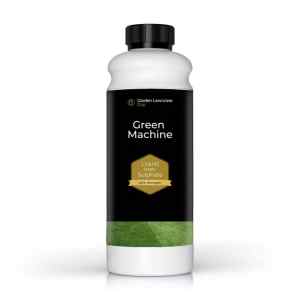
- Price range: £11.99 through £22.99Sold Out - Get Notified When It's AvailableThis product has multiple variants. The options may be chosen on the product page


How Long Does Iron Sulphate Take To Work?
For colour, many lawns show a deeper green within a few days in mild weather.
For moss, you may see moss darken first, then it becomes easier to rake out once the surface is dry enough. In colder spells, results can take longer because the lawn and moss are less active.
Is Iron Sulphate Safe For Pets And Kids
Used correctly and allowed to dry, iron treatments are commonly used on family lawns. The main risks are ingestion, irritation and stains on hard surfaces.
Good practice:
- Apply when you can keep the lawn off-limits for a few hours.
- Once dry, brush in any granules so they are not sitting on the surface.
- Store products securely and mix solutions out of reach.
- Always follow the label instructions and safety information
If you have animals that graze the lawn or dig regularly, be extra cautious and follow the label guidance closely.
Common Mistakes To Avoid
- Using it on new seedlings: Young grass can be damaged. Wait until it is properly established.
- Applying on frosty or frozen ground: It will not work well and can stress the grass.
- Overdoing the dose: More is not better. Heavy rates can scorch grass and leave very dark patches.
- Treating a waterlogged lawn: You compact the soil and make moss more likely.
- Expecting iron to fix shade and compaction: It treats symptoms, not causes.
- Spilling on paving: Iron stains fast, especially on wet stone.
Burnt your lawn? Checkout our guide on how to fix fertiliser burn
Quick Checklist For Winter Iron Use
- Pick a mild spell: above about 5°C, no frost
- Soil damp but not waterlogged
- No heavy rain forecast for 24 hours
- Apply evenly at the label rate
- Keep off hard surfaces and rinse spills quickly
- Follow label safety instructions
Iron sulphate can be a useful winter tool for UK lawns, especially for greening up tired grass and knocking back moss during mild spells. Use it sparingly, apply it evenly, and avoid frosty or waterlogged conditions. If moss keeps coming back, focus on drainage, light, and compaction as well.
If you want the simplest plan: wait for a frost-free day, apply a light iron treatment, then reassess in early spring and tackle any remaining moss once growth picks up.
If you also plan to feed in winter, choose a seasonal Winter Lawn Feed that suits colder conditions and follow label rates. Iron is best used as a targeted treatment rather than something to apply too often.