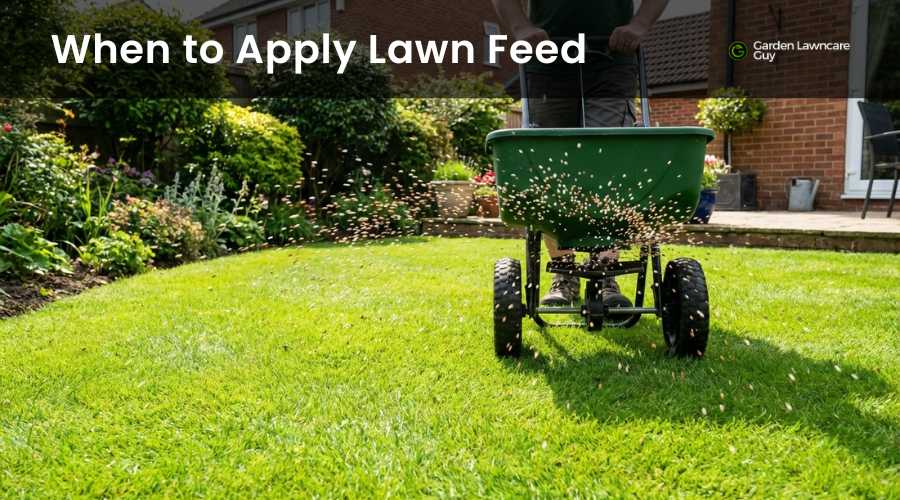
Struggling to achieve a lush, green lawn? Choosing the best lawn feed can make all the difference. Whether you’re dealing with patchy spots, persistent weeds, or lacklustre growth, the right feed can transform your lawn into a vibrant outdoor haven.
In this guide, we’ll cover everything you need to know—from seasonal feeding strategies to products tailored for pets and kids. No matter your lawn’s condition or your lifestyle, you’ll discover practical tips to help your grass thrive. Ready to give your lawn the care it deserves? Keep reading!
- When should you feed your lawn in the UK?
- What Is Lawn Feed and Why Does It Matter?
- Why Feeding Your Lawn Matters
- How to Choose the Right Lawn Feed
- How Often Should You Feed Your Lawn in the UK?
- When to Feed Your Lawn for Best Results
- How to Apply Lawn Feed Correctly
- Signs That Your Lawn Needs Feeding
- Lawn Feeding FAQ
- Conclusion: Achieve the Perfect Lawn
When should you feed your lawn in the UK?
In the UK, the best time to feed your lawn is when the grass is actively growing, typically from March through to October. Most lawns benefit from feeding in spring (March–May) to boost growth, early summer (May–July) to maintain colour and strength, and autumn (September–October) to strengthen roots before winter.
Avoid feeding during frost, drought, or when growth has slowed significantly.
What Is Lawn Feed and Why Does It Matter?
Lawn feed is a fertiliser designed specifically for grass. It provides the key nutrients your lawn needs to grow thicker, greener, and more resilient — especially after winter, during periods of heavy use, or when the lawn is looking tired.
See our range of grass seed
Most lawn feeds contain a blend of three essential nutrients, often shown on the pack as NPK:
- Nitrogen (N) supports leafy, green growth and helps your lawn recover quickly.
- Phosphorus (P) helps build stronger roots (particularly useful when establishing or repairing lawns).
- Potassium (K) improves the lawn’s ability to cope with stress such as drought, wear, disease and cold weather.
In simple terms: nitrogen makes the grass greener, while phosphorus and potassium help keep it stronger and healthier. Regular feeding helps your lawn stay dense and competitive, which also reduces the chance of weeds and moss taking hold.
For more information read our guide on how to apply lawn feed
If you’re looking for a quick recommendation, these are our best-selling lawn feeds for UK lawns:
Recommended Products
- From: £20.99Select options This product has multiple variants. The options may be chosen on the product page
- From: £11.99Select options This product has multiple variants. The options may be chosen on the product page
Why Feeding Your Lawn Matters
Feeding your lawn isn’t just about getting a quick burst of colour — it’s about building a stronger lawn that holds up well in UK conditions.
Here’s what the right lawn feed can do for your lawn:
Thicker, Greener Growth
A good feed supplies the nutrients your lawn needs to produce fresh growth and recover from mowing, foot traffic, pets, and seasonal stress. You’ll see a healthier colour and a more even, uniform finish.
Stronger Roots and Better Resilience
Feeding supports deeper, stronger roots, which improves the lawn’s ability to cope with drought, disease and wear. This is especially important heading into summer and again in autumn before winter.
Better Defence Against Weeds and Moss
A well-fed lawn grows denser. That density naturally shades out weeds and leaves less space for moss to spread. You don’t necessarily need harsh chemicals — a strong lawn is your best long-term defence.
Easier Year-Round Lawn Care
Using the right feed at the right time makes lawn care predictable. Spring feeds encourage growth, while autumn feeds help toughen your lawn for winter, so it bounces back quickly the following year.
If your lawn is thin, patchy, pale, or struggling to compete with weeds and moss, feeding is one of the simplest ways to turn it around.
If you want to see this approach in action, this short video explains it clearly:

How to Choose the Right Lawn Feed
Choosing the best lawn feed doesn’t have to be complicated — it comes down to your goal and the time of year. Here are the key things to consider:
Fast-Acting vs Slow-Release
- Fast-acting feeds deliver quick results and greener colour sooner, but they usually need more frequent applications.
- Slow-release feeds feed the lawn steadily over several weeks, giving more consistent growth and reducing peaks and troughs.
If you want the most predictable results with minimal effort, slow-release granular feeds are usually the best all-round choice for UK lawns.
Seasonal Lawn Feeds
Grass needs different nutrients through the year:
- Spring feeds are typically higher in nitrogen to boost growth and colour.
- Summer feeds tend to be more balanced to maintain the lawn without forcing too much growth during hot weather.
- Autumn feeds are lower in nitrogen and higher in potassium, helping strengthen roots and improve winter resilience.
Read more about when to sow grass seed in the UK
Pet and Child-Friendly Options
If your lawn is used frequently by children or pets, choose products designed for active family gardens. As a general rule, avoid feeds that combine weedkiller unless you specifically need it — and always follow the guidance on re-entry times.
What About Weed & Feed Products?
Some lawn feeds include weedkiller, but they often use stronger chemicals than most households need. We prefer a more targeted approach:
- Use a slow-release granular lawn feed to strengthen and thicken the grass first.
- Then apply a selective weedkiller separately only where needed.
This avoids blanket-applying weedkiller across the entire lawn and gives you more control over what you’re putting down. If you want to kill weeds in your lawn we prefer a different approach.
If weeds are your main issue, improving lawn density through good horticultural practices like mowing, feeding and overseeding is often more effective long-term than relying on weedkillers alone.
How Often Should You Feed Your Lawn in the UK?
For most UK lawns, feeding every 6–8 weeks during the growing season produces the best results.
In the UK, most lawns perform best with 2–4 feeds per year, timed around the grass’s natural growth cycles.
Aim for a phased release granular spring feed (March–April) to wake the lawn up and encourage fresh green growth. Follow with a granular summer feed (June–July) to maintain colour and resilience during higher wear and warmer weather.
Most phased-release granular lawn fertilisers feed the lawn for around 8–12 weeks, depending on weather and growth conditions.
You can also introduce liquid lawn feeds and boosters such as seaweed for lawns in between the granular applications for improved results.
For many gardens, the most important application is an autumn feed (September–October), which strengthens roots and improves recovery after summer stress.
If your lawn is heavily used, newly laid, or looks pale, you can add an extra late spring or early summer feed.
Avoid high-nitrogen feeding in winter, when growth slows and nutrients are used less effectively. Always follow pack rates, as overfeeding can scorch the lawn.
When to Feed Your Lawn for Best Results
Timing is one of the biggest factors in getting good results from lawn feed. Feed at the right time and your lawn will respond quickly. Feed at the wrong time and you can waste product — or even stress the grass.
In the UK, the best rule is simple:
Feed when the grass is actively growing and the weather is mild.
Spring: Kickstart Growth and Recovery
Spring is the most important feeding window. As temperatures rise, grass begins growing again and needs nitrogen to recover from winter and thicken up.
- Best time: March to May
- Focus: greener growth and thickening
- Tip: start feeding once the lawn is actively growing (not frosty, not waterlogged)
Summer: Maintain Colour and Repair Wear
During summer, your lawn often takes the most damage from foot traffic, pets, and dry spells. A balanced feed supports steady growth and helps repairs — but avoid feeding in extreme heat or drought unless you can water consistently.
- Best time: May to July
- Focus: maintenance and recovery
- Tip: if the lawn is dormant due to drought, hold off until conditions improve
Autumn: Strengthen Roots for Winter
Autumn feeding is about preparing your lawn for winter so it stays stronger and bounces back faster in spring. Switch to an autumn feed (lower nitrogen, higher potassium) to toughen the grass and strengthen roots.
- Best time: September to October
- Focus: root strength and winter resilience
- Tip: avoid late feeding once growth slows significantly due to cold nights
Autumn is also a great time to seed your lawn, read our guide to find out how to seed your lawn
How to Apply Lawn Feed Correctly
Proper application ensures even coverage and prevents damage to your lawn. Follow these steps:
Choose the Right Tools:
Use a lawn spreader for granular feeds. Use a watering can with a sprinkle bar for liquid feeds.
Lots of people also ask us when and how to scarify a lawn. The answer is always the same, you should scarify before feeding your lawn.
Apply in Suitable Weather:
Feed during mild weather when the soil is damp, but the grass is dry. Avoid extreme heat or heavy rain.
Water Thoroughly:
After applying granular feed, water the lawn well to activate the nutrients and avoid burning the grass.
Read our guide on how to fix fertiliser burn
How much lawn feed should you apply?
- Always follow label rates
- Apply evenly with a spreader
- Two passes at half rate reduces stripes
Always follow the manufacturer’s instructions for the best results.
Bestselling Lawncare Products
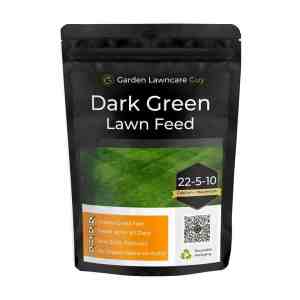 From: £20.99Select options This product has multiple variants. The options may be chosen on the product page
 From: £15.99Select options This product has multiple variants. The options may be chosen on the product page
 From: £19.99Select options This product has multiple variants. The options may be chosen on the product page

Signs That Your Lawn Needs Feeding
Not sure if your lawn requires feeding? Look out for these signs:
Grass is Yellowing or Pale in Colour
One of the most noticeable signs of nutrient deficiency is grass that loses its lush green colour. A lack of nitrogen is often to blame, as it is essential for promoting healthy, green growth. If your lawn appears yellowish or pale, it’s time to replenish its nutrients with a nitrogen-rich feed.
Patchy Growth or Thin Areas
If your lawn has uneven growth or bare, thin patches, it may be struggling to access the nutrients it needs. This often happens when the soil lacks essential elements like nitrogen, phosphorus, or potassium. A balanced lawn feed can help restore uniformity and encourage thick, even grass coverage.
Weak, Shallow Roots
Healthy grass relies on strong roots to absorb water and nutrients effectively. If your lawn’s roots are shallow or weak, you may notice that the grass struggles to stay hydrated or withstand stress from foot traffic and weather. A feed high in phosphorus can help strengthen the root system and promote deeper, more resilient growth.
An Increase in Weeds or Moss
Weeds and moss often thrive in lawns that are weak or lacking nutrients. When grass is underfed, it becomes less competitive, allowing weeds and moss to take over. Regular feeding helps your lawn stay strong and dense, crowding out unwanted intruders.
Lawn Feeding FAQ
When should I apply lawn feed in the UK?
The best time to apply lawn feed in the UK is when the grass is actively growing, usually between March and October. Most lawns benefit from feeding in spring, early summer, and autumn. Avoid feeding during frost, drought, or when growth has slowed significantly.
How often should you feed your lawn?
Most UK lawns only need feeding 2–4 times per year. Slow-release granular feeds typically last 6–8 weeks, while fast-acting feeds may need more frequent applications. Overfeeding can damage the lawn, so always follow the product instructions.
Can I apply lawn feed in the rain?
Light rain is fine and can even help wash granular feed into the soil. However, avoid applying lawn feed before heavy rain, as it can wash nutrients away before they are absorbed. Always try to feed when rain is light or when you can water in the product yourself.
Should I mow before or after applying lawn feed?
It’s best to mow the lawn before feeding. This allows the feed to reach the soil more easily and reduces the risk of fertiliser sticking to long grass. Avoid mowing for a few days after feeding to give the lawn time to absorb nutrients.
Do I need to water the lawn after feeding?
Yes, especially with granular lawn feeds. Watering after application helps activate the nutrients and reduces the risk of fertiliser burn. Liquid feeds are usually applied with water and don’t always need additional watering unless stated on the label.
Can you feed your lawn in winter?
In most cases, no. Grass growth slows or stops during winter, meaning nutrients are not used efficiently. The only exceptions are targeted treatments, such as applying iron sulphate in winter in mild winter conditions.
Is lawn feed safe for pets and children?
Many lawn feeds are safe once they’ve been watered in and the lawn has dried. Always check the product label for guidance on re-entry times and avoid feeds containing weedkiller if your lawn is used frequently by pets or children.
What’s the difference between lawn feed and fertiliser?
Lawn feed is a type of fertiliser formulated specifically for grass. While general fertilisers can be used on lawns, lawn feeds are balanced to promote healthy turf growth, colour, and resilience without overstimulating unwanted growth.
Conclusion: Achieve the Perfect Lawn
Feeding your lawn is a simple yet effective way to maintain its health and appearance. Use the best lawn feed tailored to your grass’s needs. Consider the season too. Doing this ensures you’ll enjoy a beautiful, resilient lawn all year round.