

December lawn tips for winter maintenance are mostly about prevention. In the UK, December usually brings short days, slow growth, and a mix of wet spells and frosts.
The best results come from protecting the grass you have, avoiding damage, and dealing with small issues before they turn into spring problems.
- December Lawn Tips For Winter Maintenance Basics
- What Does Your Lawn Need In December?
- Should I Mow My Lawn In December?
- Is It OK To Walk On Frosty Grass?
- What Should I Do With Leaves On My Lawn?
- How Do I Stop My Lawn Getting Waterlogged?
- Should I Treat Moss In December?
- Can I Apply Fertiliser In December?
- Can I Repair Bare Patches In December?
- Common Mistakes In December Lawn Care
- Quick Checklist For December Lawn Care
- Conclusion: Set Your Lawn Up For Spring
December Lawn Tips For Winter Maintenance Basics
In December, keep the lawn clear of leaves, stay off it during frost, and only mow if it is mild, dry, and the grass is still growing. Avoid feeding with high nitrogen fertiliser, and do not try major renovations in winter.
If the lawn is waterlogged, reduce foot traffic and focus on drainage basics rather than aggressive aeration. Your goal is to prevent compaction, disease, and thinning so the lawn starts spring in good shape.
Quick Weather Check Before You Start
Before you do anything, look at three things:
- Frost: if the grass is white or crunchy, keep off it.
- Ground wetness: if it squelches underfoot, avoid walking and skip tasks that churn the soil.
- Growth: if the lawn has not grown for weeks, mowing and feeding are usually wasted effort.
When To Do Nothing (And Why That’s OK)
A lot of December lawn care is knowing when to leave it alone. If the ground is frozen, saturated, or covered in frost, most “jobs” just create damage that will show up as muddy patches and thin grass in spring.
What Does Your Lawn Need In December?
Focus On Protection, Not Perfection
Your December priorities are simple:
- Keep light and air moving at the surface by removing leaves and debris.
- Prevent compaction by limiting traffic and avoiding heavy kit.
- Manage moisture so puddles do not linger and the lawn does not stay smothered.
A Simple Rule For Winter Tasks
If a task involves lots of disturbance, digging, or cutting, it usually belongs in spring. If it involves light tidying and prevention, it is often safe in December when conditions allow.
Recommended Products
- From: £20.99Select options This product has multiple variants. The options may be chosen on the product page


Should I Mow My Lawn In December?
Yes, sometimes, but only when conditions are right.
When Mowing Is Worth It
Mow in December only if:
- The grass is still growing (you can see obvious height increase).
- The ground is firm enough not to mark.
- The grass is dry enough to cut cleanly.
- No frost is forecast for that morning and the lawn has thawed.
A tidy cut can help keep the lawn even, reduce disease risk from long, laid grass, and make it easier to clear leaves.
Best Cutting Height For Winter
Raise the cutting height. A slightly longer winter lawn copes better with cold and foot traffic. If you normally cut low in summer, aim noticeably higher in December. Never scalp it.
When Mowing Will Do More Harm
Skip mowing if:
- The lawn is frosty, frozen, or waterlogged.
- The mower will leave ruts or smears.
- The grass is limp and lying flat.
Cutting wet grass can tear it rather than cut it, and turning on soft ground compacts soil and creates bare wheel marks.
Is It OK To Walk On Frosty Grass?
It is best not to. Frost makes the grass blades brittle. When you walk on frozen grass you can snap the leaf tissue, leaving dark footprints that can linger for weeks.
Why Frost Damage Happens
Frost forms ice crystals in the grass leaf. Pressure from shoes, pets, or wheelbarrows crushes the frozen cells. Once thawed, those crushed areas look bruised or blackened.
How To Manage Foot Traffic And Pets
- Create a winter route: use the same path across the lawn to limit damage.
- Use stepping stones or boards in muddy gateways.
- Keep play off the grass in frosty mornings.
- Rinse pet patches when you can: if conditions are mild and a hose is practical, a quick dilution can help, but do not trample wet grass to do it.
What Should I Do With Leaves On My Lawn?
Clear them little and often. A thin scatter is not a crisis, but heavy mats block light, trap moisture, and encourage moss and disease.
How Often To Clear Them
In December, a weekly clear is usually enough. After windy nights, check low corners and edges where leaves collect.
Raking Vs Mulching In Mild Spells
- Raking is reliable when the surface is dry enough.
- Mulching with a mower can work only if leaves are dry, the layer is light, and the ground is firm. Do not try it on soggy lawns or deep leaf cover.
If you mulch, make sure leaves are chopped fine and not left in clumps.
Where To Put Leaves Without Making A Mess
- Add to compost if you have it.
- Pile leaves in a quiet corner to rot down into leaf mould.
- Use them as a winter mulch on borders.
Avoid dumping thick piles on grass, as they can smother it.
How Do I Stop My Lawn Getting Waterlogged?
You cannot change the weather, but you can reduce how long water sits on the lawn.
Spot The Difference: Wet Vs Waterlogged
- Wet: soft underfoot but no standing water.
- Waterlogged: puddles form, footprints fill with water, and the surface feels slick.
A wet lawn can often be left alone. A waterlogged lawn needs protection from traffic first, then gentle action.
Safe Steps You Can Take In December
- Clear gutters and drains so water is not pouring onto the lawn.
- Check downpipes: if they dump onto the turf, redirect them into a drain or water butt.
- Remove leaf mats that hold water on the surface.
- Use boards for access if you must cross soft areas.
If conditions are only slightly soft (not saturated), you can do light solid-tine aeration with a garden fork by pushing straight in and rocking gently. Stop if the ground smears, puddles, or the holes collapse immediately.
What To Leave Until Spring
Avoid heavy aeration, topdressing, and major soil work in December. When the soil is cold and saturated, you can do more harm than good. Bigger fixes are best when the ground is workable and grass is ready to recover.
Should I Treat Moss In December?
Sometimes, but it depends on why you have moss.
When Moss Treatment Makes Sense
If the lawn is not frozen and conditions are mild, an iron-based moss treatment can blacken moss and make it easier to clear later. It can be useful if moss is taking over and you need quick control.
What Improves Moss Long Term
Moss thrives when grass is weak. Long-term improvement comes from:
- Better drainage and less compaction
- More light (especially under trees and along north-facing edges)
- A higher mowing height going into winter
- Improving grass cover with overseeding in spring
In December, focus on removing leaf mats and reducing shade where practical.
Can I Apply Fertiliser In December?
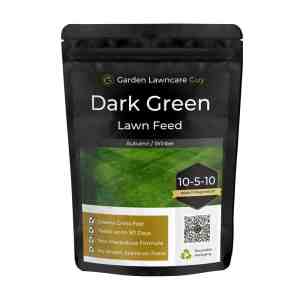
In a mild winter spell with no frosts forecast, you can use a specialized winter feed to feed your lawn if it’s due a feed.
Autumn / Winter lawn feeds are specially formulated to prepare your grass for the cold months ahead. It is important to go for a slow-release balanced fertiliser during the colder months.
Such feeds generally contain a balanced mix of nutrients that focus on root development and resistance rather than lush, rapid growth.
Some of the key nutrients to look out for within the fertiliser are Nitrogen (N), Potassium (P) and Phosphorus (K) as these are essential nutrients for green and healthy grass:
What To Focus On Instead
- Keep the lawn clear and well aired at the surface.
- Protect it from traffic and compaction.
- Plan spring feeding once growth restarts.
If your lawn is pale, it is often down to cold, low light, and wet soil rather than a lack of fertiliser.
Can I Repair Bare Patches In December?
Small repairs are possible, but temperatures can often be too cold.
When Repairs Can Work
In a mild winter spell, you may get away with patching small areas, especially in sheltered gardens. But expect slow results and make sure to opt for a cold tolerant grass seed.
How To Protect Weak Areas Over Winter
- Keep off thin areas to avoid turning them into mud.
- Lift leaves and debris so weak grass is not smothered.
- Use a temporary path through gateways and around washing lines.
- Mark wet spots you want to fix properly in spring.
For most lawns, the sensible plan is to wait until spring to overseed and thicken the turf when soil warmth and daylight are on your side.
Common Mistakes In December Lawn Care
- Walking on frosty grass and leaving black footprints.
- Mowing too low “to tidy it up” and weakening the plant.
- Working on saturated ground, causing ruts and compaction.
- Trying big renovations like heavy scarifying or lots of topdressing.
- Ignoring leaf build-up, which invites moss and disease.
- Chasing a perfect green colour instead of protecting the surface.
Quick Checklist For December Lawn Care
10-Minute Weekly Routine
- Remove leaf mats and debris.
- Check gateways and paths for churned mud.
- Look for standing water and clear obvious blockages.
- Keep mowing off the list unless conditions are mild and firm.
If You Only Do Three Things
- Stay off the lawn during frost.
- Clear leaves before they smother the grass.
- Reduce traffic on soft, wet areas.
Conclusion: Set Your Lawn Up For Spring
December is not the time for dramatic lawn work. Keep it clean, keep traffic light, and respond to conditions rather than the calendar. If you protect the lawn surface through winter, spring jobs like feeding and overseeding are far more effective and you will get a thicker, healthier lawn with less effort.
If you need grass seed, lawn feed, or the basics for routine lawn care, you can stock up now so you are ready when growth returns.
Bestselling Lawncare Products
 From: £19.99Select options This product has multiple variants. The options may be chosen on the product page
 From: £20.99Select options This product has multiple variants. The options may be chosen on the product page
 From: £15.99Select options This product has multiple variants. The options may be chosen on the product page


Read Next
Previous : November Lawn Tips | Next : January Lawn Tips




Thanks for the info. I reseeded a small area of my lawn about 5 weeks ago, with your cold start seed, and am delighted how quickly it has shot up. I understand that new grass requires trimming to promote growth but am reluctant use a mower because of likely damage from the weight of the mower with the ground so wet. Would it be a better idea to trim the tips of the shoots with shears ?
hi mike you could do that if its a small area yes or if possible wait for a few dry days and avoid turning the mower on that spot (e.g. forward and backward)
Am I to late to treat my lawn with nematodes many thanks