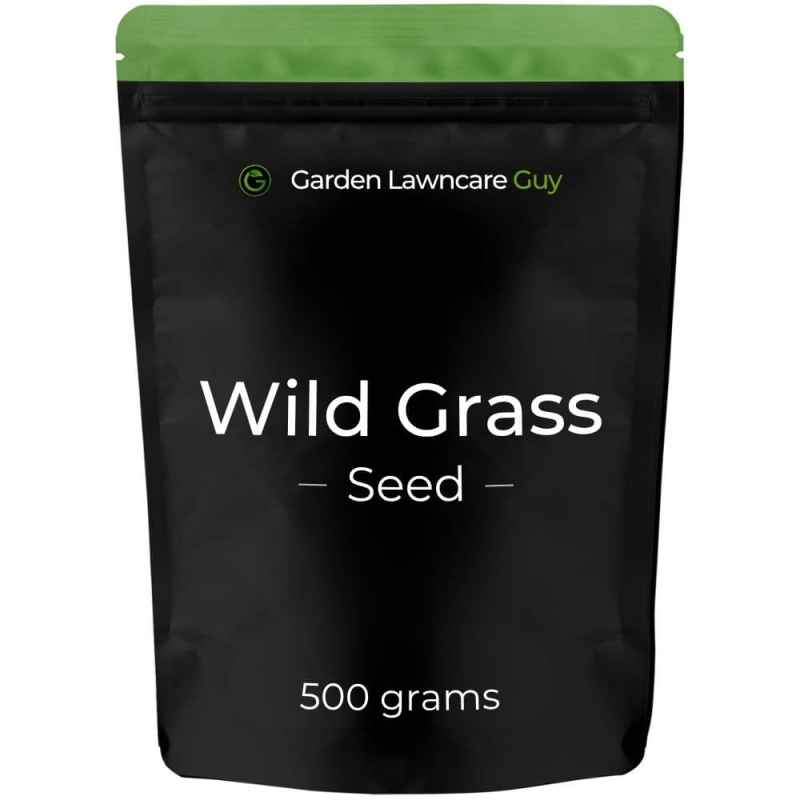
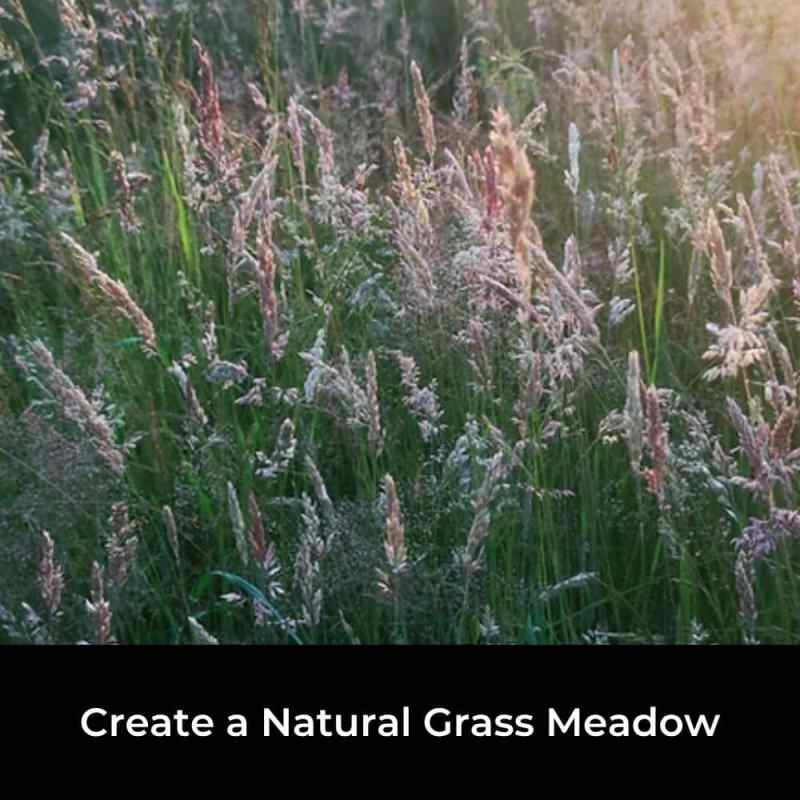
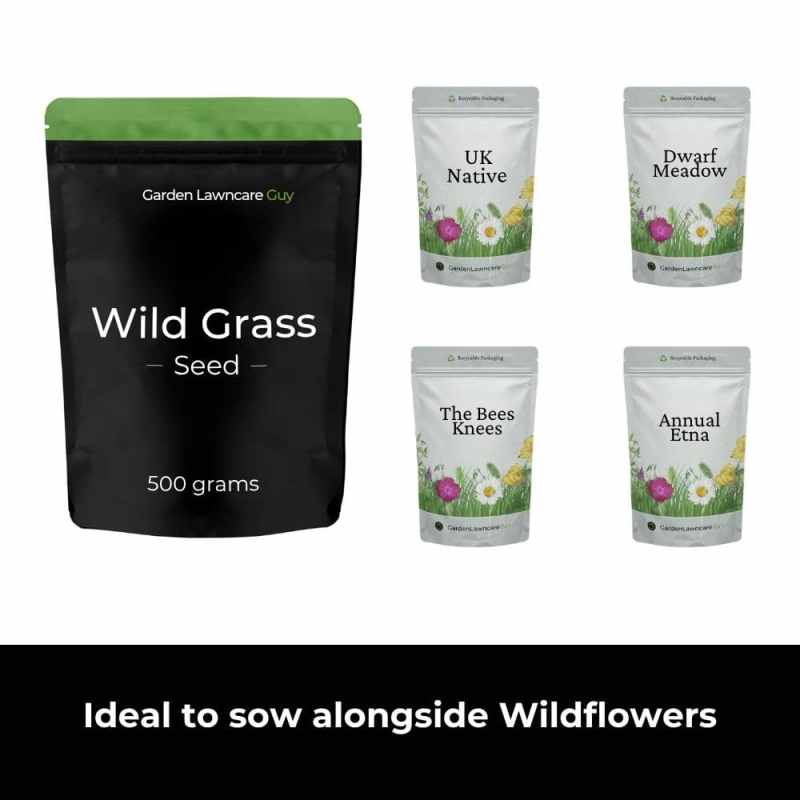


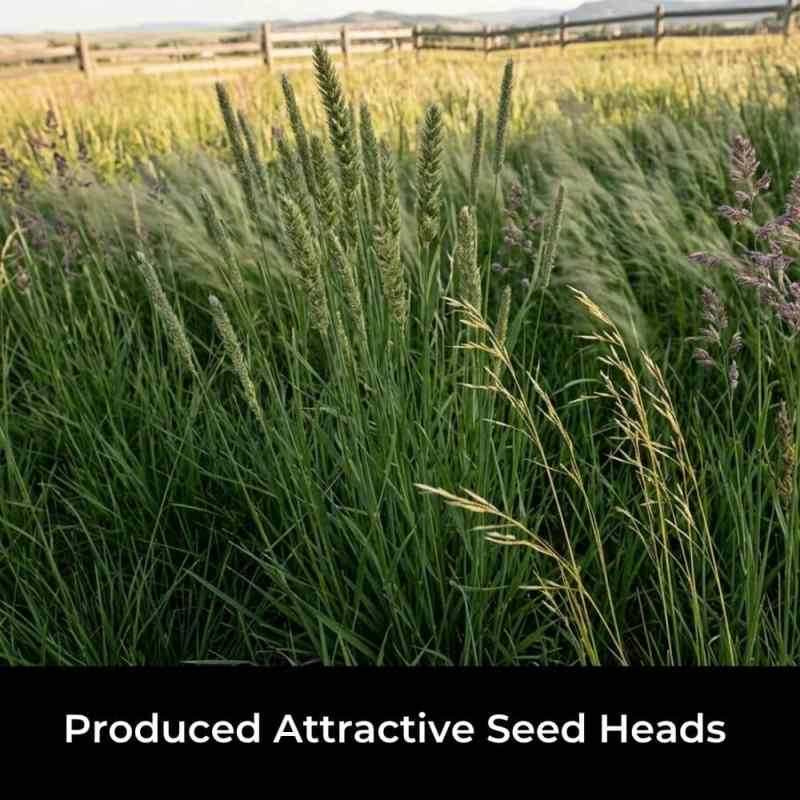





Our Wild Grass Seed Mix 500g is designed for gardeners who want to create a more natural, meadow-style area that works alongside wildflowers rather than overpowering them.
Unlike standard lawn seed, which is usually selected for dense, competitive growth, this mix is formulated with fine-leaved grasses suited to lower-fertility meadow conditions. The result is a softer, more traditional grass base that helps support wildflower establishment and long-term biodiversity.
Use it to create wildflower meadows, improve wildlife-friendly areas, overseed suitable grassland, or develop a more naturalistic section of the garden. It is particularly useful where the goal is not a formal lawn, but a balanced meadow habitat with seasonal interest and pollinator value.
Designed For Wildflower Meadows
A traditional low-fertility wild grass seed mixture developed for meadow creation, wildflower establishment, wildlife gardens and natural habitat areas where a standard lawn mix would be too competitive.
Fine-Leaved Grasses
Formulated with finer meadow-style grasses that help create a less aggressive grass base, giving wildflowers a better chance to germinate, establish and flourish over time.
Biodiversity-Friendly Planting
Suitable for meadows, wildlife gardens, pollinator-friendly areas, conservation-style planting and naturalistic landscape schemes where habitat value matters as much as appearance.
New Areas Or Overseeding
Sow at 30g per m² for new grass areas or 15g per m² when overseeding into suitable existing ground, depending on soil preparation and current grass cover.
500g Covers around 16m² for new sowing, or up to 33m² for overseeding.
Product Information
| Main Use | Meadow creation and as a companion grass for wildflowers |
| Grass Type | Fine-leaved, lower-competition meadow grasses. Typical analysis (can vary based on seasonal availability) 30% Chewings Fescue, 30% Slender CRF, 17% Crested Dogstail, 17% Hard Fescue, 3% Small Leaved Timothy 2% Meadow Foxtail, 1% Yellow Oatgrass |
| Best For | Wildflower meadows, wildlife gardens, conservation areas, naturalistic landscapes |
| Sowing Rate | For New Areas – 30g per m² (covers approx. 16m²) For Overseeding – 15g per m² (covers approx 33m²) |
| Coverage | |
| Soil Preference | Grows in most soil types |
| Garden Style | Natural meadow, pollinator-friendly, wildlife-focused |
Sowing Instructions
| Step | When (UK) | How |
|---|---|---|
| Prepare The Ground | March to October | Remove weeds and existing dense grass where possible. Rake the soil to create a fine, level seedbed. |
| Sow New Areas | March to October | Sow at 30g per m² onto prepared soil. Scatter evenly by hand or spreader, then lightly rake or press seed into the surface. Do not bury deeply. |
| Overseed Existing Areas | March to October | Cut existing grass short and remove clippings. Scarify or rake firmly to expose soil. Sow at 15g per m², then press seed into the surface for good seed-to-soil contact. |
| Watering | First 2 to 6 weeks after sowing | Keep the surface moist during dry periods. Avoid waterlogging or washing seed away. Germination speed will vary depending on soil temperature and moisture. |
| Weeding | When grass is growing | If possible hand pull or remove weeds from the area to reduce competion |
| Meadow Management | Annually, usually late summer or early autumn | After wildflowers have set seed, cut the meadow down and remove clippings. |
FAQ
Can I use this as a normal lawn seed?
This mix is not intended for a formal, hard-wearing lawn. It is designed for meadow creation, wildlife gardens and wildflower areas where a softer, more natural grass base is preferred.
Why use low-fertility grass seed for wildflowers?
Wildflowers often struggle when grasses grow too strongly. A low-fertility, fine-leaved grass mix helps reduce competition, giving flowers a better chance to establish and persist.
How much does a 500g pack cover?
A 500g pack covers approximately 16m² when sowing a new area at 30g per m², or up to 33m² when overseeding at 15g per m².
Should I fertilise before sowing?
No. For meadow and wildflower areas, avoid fertiliser unless a specific soil test recommends otherwise. Lower fertility generally helps create a better balance between grasses and wildflowers.
Can I mix this with wildflower seed?
Yes. This grass mix is designed to create a suitable meadow base for wildflower establishment. For best results, match the wildflower seed mix to your soil type, light levels and garden conditions.
When is the best time to sow in the UK?
Spring and autumn are generally best. Sow from March to May or August to October, when the soil is moist and temperatures are suitable for germination.
Do I need to remove existing grass first?
For new meadow areas, removing dense existing grass gives the best start. For overseeding, cut the grass very short, scarify heavily and expose soil before sowing.