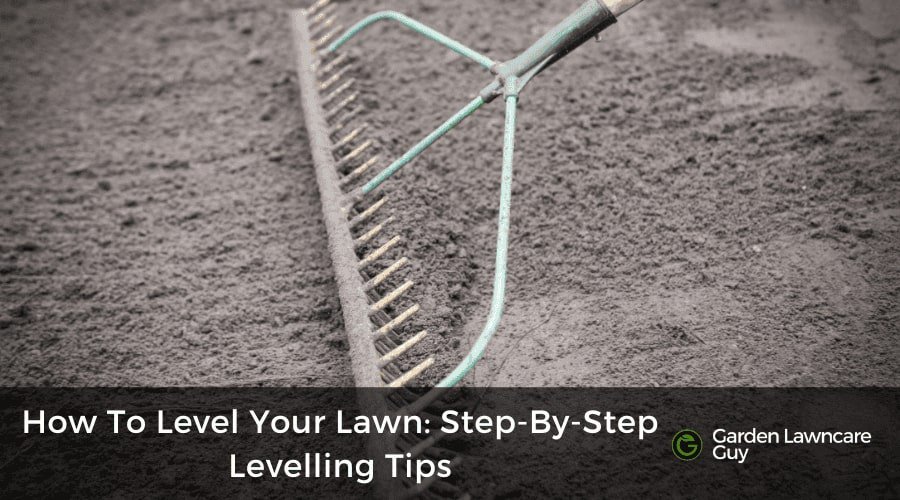
A smooth, level lawn not only looks fantastic but also makes mowing easier, prevents puddles after rain, and creates a safer space for children and pets. If you’ve ever struggled with an uneven lawn, you’re not alone—many homeowners deal with bumps, dips, and slopes that develop over time.
Fortunately, learning how to level your lawn is a simple process that anyone can do with the right tools and a bit of patience. This guide will walk you through simple, effective ways to fix your lawn.
Using the right tools, like a lawn leveling lute makes the job even easier. Keep reading to discover the best techniques for a perfectly level lawn.
Why Does Your Lawn Become Uneven?
Lawns naturally develop imperfections due to a variety of factors. Over time, areas can sink after heavy rain or watering, creating dips. A lawn becomes uneven due to factors like soil settling, compaction, and weather.
Foot traffic, mowing, and pets can compact the soil, causing it to harden and become uneven. Other natural causes include pests, earthworms, and frost, which can create small bumps or depressions. Poor lawn care, like uneven mowing or over-fertilizing, can also make uneven spots worse.
When To Level A Lawn?
Leveling your lawn is a great way to improve its appearance and health, but timing plays a crucial role in ensuring the best results.
Spring Lawn Care is generally considered the best time to renovate your lawn. The soil is starting to warm up, encouraging grass growth, and the mild temperatures make it easier to work with. By leveling in the spring, you give your lawn a chance to recover quickly as it enters its active growing season.
Autumn is another great time to level your lawn. The cooler temperatures and increased rainfall promote healthy grass growth, helping the lawn recover after the levelling process. Early autumn gives the grass time to settle and establish before the cold winter weather arrives, ensuring that your lawn will bounce back stronger in the spring.
Choosing A Good Quality Top Dressing
Selecting the right top dressing is key to levelling your lawn effectively and promoting healthy grass growth. Here’s what to look for:
Balanced Composition – A good top dressing mix should contain screened soil (loam) often mixed with sand. You can choose to use 100% soil for some lawns but it’s critical the soil is specifically designed for top dressing lawns which means it will be free of stones that could damage your lawnmower and should also be very dry making it easy to spread.
Another popular choice of lawn dressing is made from sand and soil, for example 70% sand and 30% soil (70/30 topdressing). These mixes are very easy to spread and have fine particles that fill in any gaps.
Fine Texture – The mix should be well-screened and free of large clumps, stones, or debris, ensuring smooth application and even coverage.
Good Drainage – Avoid heavy clay-based soils, which can compact easily and cause water retention. Instead, choose a sandy loam blend for improved aeration.
Screened Soil – A lot of topsoils can contain lots of stones which might be suitable for grading or landscaping but can’t be put on top of your lawn. You can use a top dressing compost roller to help screen out some stones but you need to find a finely screened top dressing suitable for putting on top of your lawn.
Sterilized For Weeds – Soils are often full of weed seeds and by putting material on the lawn it can often introduce new weeds. Ideally your dressing should have a low amount of weed seeds in or specifically sterilized for weed seeds.
A good topdressing for lawns is designed to improve soil quality, enhance drainage, encourage healthy grass growth, and create a smooth, even surface for a lush, resilient lawn. Several brands offer pre-mixed topdressing that can help you level your lawn effectively.
Tools and Materials You’ll Need
To make the process easier, invest in the right tools and materials:
- Top dressing for lawns
- Lawn Levelling Lute
- Shovel
- Soil rake
- Garden fork
- Watering can
A Lawn Leveling lute is a great addition to your lawn care tool kit, ensuring a smooth and even distribution of top dressing across your lawn.
Recommended Products

 From: £15.99Select options This product has multiple variants. The options may be chosen on the product page
Step-by-Step Guide to Level Your Lawn
Step 1: Mow Your Lawn
Start by mowing your lawn on the lowest setting. This makes it easier to see the uneven areas and ensures the leveling mixture can reach the soil surface. Use a rotary mower with adjustable height settings. Set it to the lowest safe setting to cut the grass short without scalping it.
Step 2: Dethatch the Grass
Rake or use a lawn scarifier to remove excess thatch and clear away debris. Thatch is a layer of dead grass and organic material and can prevent the levelling mix from settling properly so it’s important to dethatch before starting.
Step 3: Choose A Good Quality Top Dressing For Lawns
A well-balanced leveling mix is essential. specifically designed for topdressing lawns.
Once you have prepared by completing these 3 steps – follow the relevant section below:
Fix Small Dips (1-2 cm Deep)
For minor dips, apply the leveling mix directly onto the grass:
- Apply the Levelling Mix – Spread a thin layer (no more than 1-2cm) of the mix over the dip using a shovel.
- Use a Lawn Levelling Lute – Drag a lawn levelling lute back and forth to evenly distribute and smooth the mixture.
- Compact and Settle – Lightly press the area with your feet and water gently to help the soil settle. Alternatively you can use a compost spreader to spread and pack the soil down.
- Repeat if Needed – If the dip is still visible after a few days, add another thin layer, smooth it out, and water again.
- Overseed for a Lush Lawn – Sprinkle grass seed over the area, lightly rake it in, and keep it moist for healthy growth.
Fix Deeper Dips (2-3 cm Deep)
For deeper areas, you’ll need to lift the turf:
- Water the Area – Lightly water the dip a few hours before starting to soften the soil.
- Lift the Turf – Use a sharp spade to cut an “H” shape over the dip and peel back the turf without removing it completely.
- Loosen the Soil – Use a garden fork to break up compacted soil, removing any stones or debris
- Add a Top Dressing Levelling Mix – Fill the dip with a mix of topsoil, sand, and compost. Compact it lightly with your feet.
- Use a Lawn Levelling Lute – Drag a lawn levelling lute across the area to evenly spread and smooth the mixture.
- Replace the Turf – Gently place the turf back over the filled dip, pressing down to ensure good contact with the soil.
- Water and Monitor – Water your lawn with a lawn sprinkler thoroughly and check for settling over the next few days. Add more levelling mix if needed.
Level Raised Areas
- Mow the Lawn –Mow the Lawn – Returning nutrients through mulching can help keep the lawn healthier and more even over time. Before leveling, cut grass short for better visibility.
- Mark the Area – Use string lines to guide levelling.
- Loosen the Soil – Aerate with a garden fork.
- Remove Excess Soil – Shovel or rake soil evenly, using a lawn levelling lute for precision.
- Smooth and Compact – Spread soil and lightly compact it.
- Topdress & Reseed – Apply top dressing and grass seed to any bare spots.
- Water & Monitor – Lightly water and check for settling
Tips for Ongoing Lawn Maintenance
Once your lawn is level, proper care will help maintain its smooth surface.
- Aerate annually: Compacted soil contributes to unevenness. Aerating improves drainage and root growth.
- Use a roller sparingly: Rolling can help settle new leveling mix but should be done lightly to avoid compaction.
- Overseed regularly: Adding fresh grass seed fills in thin patches and keeps your lawn looking lush.
- Avoid excessive foot traffic: If certain areas get heavy use, consider adding stepping stones or a pathway to prevent further unevenness.
Recommended Products
 From: £20.99Select options This product has multiple variants. The options may be chosen on the product page
-
FAQ’s
Conclusion: Achieve the Perfect Lawn
Leveling your lawn takes time and effort, but the results are well worth it. A smooth, even lawn enhances your garden’s appearance, makes maintenance easier, and provides a comfortable space for outdoor activities.
By following these steps and maintaining your lawn regularly, you’ll enjoy a lush, green lawn for years to come.