

Knowing how to apply lawn fertiliser properly is the difference between an even, steady green-up and a lawn that turns patchy, striped or scorched. The basics are straightforward, but timing and even coverage matter.
Most UK lawns do best with a main feed in spring and another in autumn, with optional light feeding in summer if you can water.
Granular lawn fertiliser is usually easier for beginners, while liquid can be great for quick results and targeted feeding.
- How To Apply Lawn Fertiliser
- When Should You Apply Lawn Fertiliser In The UK?
- Should You Mow Before Or After Applying Fertiliser?
- Can You Apply Fertiliser To Wet Grass?
- Is Liquid Or Granular Fertiliser Better For Lawns?
- How To Apply Lawn Fertiliser Evenly
- How Often Should You Fertilise Your Lawn?
- Common Mistakes To Avoid
- Quick Checklist For Applying Fertiliser
How To Apply Lawn Fertiliser
Apply lawn fertiliser when the grass is actively growing and the soil is moist, not frozen, waterlogged or baked hard.
In most UK gardens that means March to May and September to October, with an optional light summer feed if you can water during dry spells.
For granular fertiliser, spread evenly and water it in soon after (or apply before reliable rain). For liquid fertiliser, dilute to the label rate, spray evenly, and avoid run-off. Stick to the recommended rate and you will avoid scorch.
When Should You Apply Lawn Fertiliser In The UK?
The simplest way to time feeding is to follow grass growth, not the calendar.
UK Timing Cues That Matter
- Soil temperature: feeding works best once the soil is warming and grass is growing, usually when temperatures are consistently around 8°C or above.
- Frost risk: avoid feeding if frost is likely, especially overnight.
- Moisture: aim for moist soil. Very dry soil increases scorch risk. Waterlogged soil increases run-off.
A Practical All-Season Schedule
Use this as a starting point, then adjust to your lawn.
- Spring (March to May): main spring and summer lawn feed to kick-start growth after winter. Choose a feed aimed at growth and recovery.
- Summer (June to August): optional, lighter feeding only if you can water. In heat and drought, focus on mowing height and hydration first.
- Autumn (September to October): main feed to strengthen roots and help the lawn cope with winter. Choose an autumn type feed designed for hardiness.
- Winter (November to February): usually do not feed. Grass growth slows or stops. Feeding at this time is typically wasted and can increase run-off risk.
Should You Mow Before Or After Applying Fertiliser?
Mowing at the right time helps fertiliser reach the soil and reduces the chance of it sitting on long, wet leaf blades.
The Best Approach
- Mow before feeding.
- Aim for a normal cut, not a scalp. Scalping stresses grass and can increase scorch.
- Remove heavy clippings if they are likely to smother granules or stop liquid reaching the base of the sward.
When To Mow After Feeding
- With granular fertiliser, wait until you have either watered it in or had rainfall, and the lawn has dried.
- With liquid fertiliser, wait until the spray has dried on the leaf, then leave it a couple of days if possible so the grass can use the nutrients.
A simple rule: feed, let it settle in, then mow.
Can You Apply Fertiliser To Wet Grass?
It depends on how wet and what type of fertiliser you are using.
Granular Fertiliser On Wet Grass
Avoid applying granular fertiliser onto very wet grass (heavy dew, drizzle, or after rain) because:
- granules can stick to leaves and clump
- you are more likely to get uneven coverage
- the risk of scorch can increase in patches
A light morning dew is not the end of the world, but the safest route is to wait until the leaf is mostly dry.
Read the guide on Autumn vs Spring lawn feeds
Liquid Fertiliser On Wet Grass
Liquid is generally more forgiving, but avoid spraying when:
- the grass is dripping wet (dilution and run-off)
- rain is imminent (it can wash it off before it works)
- it is windy (drift and uneven coverage)
If you only get short calm windows, spray later in the day when the leaf is dry and the wind drops.
Is Liquid Or Granular Fertiliser Better For Lawns?
Both work. The best choice depends on what you want and how you plan to apply it.
Granular Fertiliser Is Usually Best If You Want
- slower, steadier feeding
- fewer applications
- a simple “spread and water in” routine
- easier coverage over larger lawns
Liquid Fertiliser Is Usually Best If You Want
- quicker visible response
- more control over dose and frequency
- a good option for small lawns
- targeted feeding where the lawn looks pale or tired
Many homeowners use granular for the main spring and autumn feeds, then liquid as a booster in between. Using the best lawn fertiliser at the right timing is key for success.
How To Apply Lawn Fertiliser Evenly
Granular Fertiliser
Even coverage is everything. Most feeding problems come from uneven spreading.
1) Pick The Right Day
Aim for:
- a calm day (less than a light breeze)
- soil that is slightly moist
- no frost forecast
- no heavy rain forecast (to reduce run-off)
If rain is due within 24 hours and it is not torrential, that can help wash granules in. If it is dry, plan to water in.
2) Measure Your Lawn Area
Application rates are based on square metres. A rough measurement is better than guessing.
- Split the lawn into rectangles.
- Measure length x width for each, then add them up.
Knowing your area stops you overfeeding the lawn and underfeeding your wallet.
3) Weigh Out The Correct Amount
- Check the label rate (for example, grams per m²).
- Multiply by your lawn area.
- If you are unsure, err slightly on the low side and top up later.
4) Spread Evenly (Two-Pass Method)
To avoid stripes:
- Apply half the amount walking north to south.
- Apply the other half walking east to west.
This overlaps the pattern and smooths out any small inconsistencies. Using a lawn fertiliser spreader will also help with even coverage
5) Keep Away From Hard Surfaces
Granules on patios, driveways and paths can stain and can wash into drains.
- Sweep up any spill immediately.
- Keep the spreader edge slightly inside the lawn line.
6) Water In Properly
Granular fertiliser needs moisture to move into the soil.
- If there is no rainfall expected within 24 to 48 hours, water the lawn.
- You want the lawn surface damp and the granules dissolving, not puddles.
Liquid Fertiliser
Liquid feeds work well, but even coverage and correct dilution are key.
1) Choose Your Applicator
Common options:
- watering can with a rose for small lawns
- pump sprayer for more controlled coverage
Choose what you can apply evenly with. A simple watering can is often the easiest starting point.
2) Mix To The Label Rate
- Fill the container part-way with water.
- Add the measured fertiliser.
- Top up with water and mix.
Do not guess the dose. Stronger is not better.
3) Apply In A Pattern
Just like granular, aim for consistency.
- Work in lanes across the lawn.
- Overlap slightly.
- Avoid stopping and starting in the middle of the lawn.
4) Avoid Run-Off
If liquid is running across the surface, you are applying too much volume or the soil is too hard and dry.
- Reduce the water volume per square metre.
- Apply in two lighter passes rather than one heavy one.
5) Keep People And Pets Off Until Dry
Let the lawn dry after application. This reduces tracking and helps the feed do its job where you put it.
Explore our best selling lawn feeds and fertilisers
 From: £19.99Select options This product has multiple variants. The options may be chosen on the product page
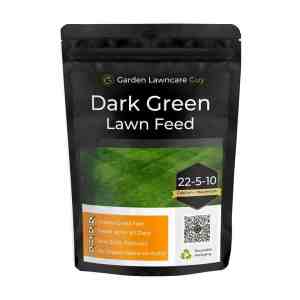 From: £20.99Select options This product has multiple variants. The options may be chosen on the product page
- From: £20.99Select options This product has multiple variants. The options may be chosen on the product page

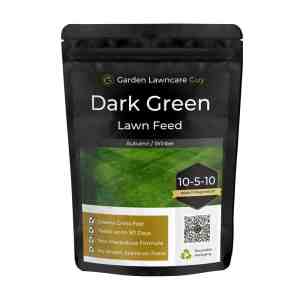
How Often Should You Fertilise Your Lawn?
There is no single perfect schedule, but these rules work well for UK lawns.
A Simple Starting Point
- Two feeds per year: spring and autumn.
If You Want A More “Managed” Lawn
- Three to four feeds per year: spring, early summer (optional), late summer (only if watering), autumn.
When To Feed Less Often
- if your lawn is shaded, thin, or moss-prone (focus on light, drainage, and renovation)
- if growth is slow due to drought or cold
- if you are trying to reduce mowing frequency
If the lawn looks pale, slow to recover after mowing, or thin in patches, it may be asking for nutrients. If it is growing fast and you are mowing constantly, you may be feeding too much.
Common Mistakes To Avoid
These are the big ones that cause disappointment.
- Feeding at the wrong time: frozen soil, drought, or waterlogged ground.
- Over-applying: more fertiliser does not mean more green.
- Uneven spreading: one heavy pass causes stripes.
- Applying in wind: drift leads to patchy coverage.
- Not watering in granular: granules sit on the surface and can scorch.
- Letting product sit on hard surfaces: staining and run-off.
- Feeding a stressed lawn: fix compaction, mowing height, and watering first.
What If You Accidentally Use Too Much?
- Do not add more water in the container (for liquid) hoping it will fix it.
- For granular: sweep up any visible excess and water the lawn thoroughly over the next day or two.
- For liquid: water the lawn to dilute and move nutrients into the root zone.
If you see yellowing or “burn” patches, keep the lawn hydrated and avoid further feeding until it recovers.
Quick Checklist For Applying Fertiliser
- Pick a calm day with moist soil and no frost risk
- Mow 1 to 2 days before and tidy clippings
- Measure lawn area and calculate the correct dose
- Granular: apply in two passes at right angles
- Liquid: dilute to label rate and apply in steady lanes
- Keep fertiliser off paths and hard surfaces
- Water in granular if rain is not due within 24 to 48 hours
- Keep kids and pets off until the lawn is dry
- Do not mow again for a few days if you can avoid it
Feeding your lawn does not need to be complicated. Choose the right fertiliser for the season, apply it evenly, and time it around UK weather so nutrients go into the grass rather than washing away.
Lawn feed can help you when your are overseeding your lawn or maintaining it to keep it green
If you want your feeding to work even better, pair it with the basics: sensible mowing height, occasional aeration, and addressing moss and thatch in autumn and spring. Do the simple things consistently and your lawn will look better year after year.




Any thoughts on how to deal with Red Thread on lawns?
Thank you
Hi nick one of the best things is to try and prevent with a lawn fertiliser program as it tends to impact areas low in nitrogen. There are professional fungicides but for most homeowners they try to feed with a nitogren based fertiliser like https://gardenlawncareguy.com/shop/fertiliser/glg-spring-summer-dark-green-fertiliser/
Hi, I am getting some turf laid on Monday from onlineturf and they say it’s treated before harvest so no need for anything. When would you apply your dark lawn fertilizer? I was thinking about 4 weeks to let it establish?
hello this can be applied after the first cuts
The fertilizer I ordered arrived today and I want to say I hope I am as impressed with the results on my new turf……as I have been with your service. From immediate confirmation of order, who the carrier would be and notification the order had been despatched and when to expect delivery. First class client info.
To subsequently receive an e-mail advising on how to spread the fertilizer was a bonus.
Well done setting your client service standards so high. Regards Ian Bissett.
Can I apply the lawn fertilizer all year, on top of the recently lawn seeded soil? Will it Help or will it kill the grass seed.
Many thanks in advance
our dark green lawn feed can be applied on newly seeded lawns to help thicken it up and make it lush and healthy. https://gardenlawncareguy.com/shop/fertiliser/glg-autumn-dark-green-fertiliser/
Never done anything with my lawn but now decided to look after it and I’ve cut it and scarified it have some bare patches used grass seed and a little soil starting growing just put a autumn feed slow release granules what’s next step have ordered some seaweed and green machine so when do I use these and how
hi alan you can mix these two liquid together, check the bottle for the ammounts and add water. When mixing together you dont need to double up on the water, so 5l water for these two per 100m² is fine. You can use them monthly in conjunction with the granular feed, the granules will last up to 90days before reapplication
The green machine and seaweed have just arrived thank you I will try this my lawn is still abit thin where I’ve put new seed down they are growing about 1.5 to 2 inches tall but still thin can I apply more grass seed mixed with what soil or compost or sand and I’m new to this looking after my lawn I normally just cut it and leave it I’m trying to make it look nice what can I use to spread the above products and can I still cut the grass but not too short on a high setting I did cut it about 2/3 days ago but seems to be still growing
Hi alan, if the grass is 1-2″ inches continue to cut it if not too wet. Its normal for new grass to be thin and it will thicken up when cutting starts. If you can still see seeds that are not yet germinated then no need to add more they will grow. You can apply the liquids after your start cutting the lawn.
Hello my other lawn is grown a lot not cut it for 3/4 weeks due to constant rain
I’ve noticed that grass has gone yellow blades in places so what is the reason and how do I treat it please
yellowing can be a sign of excess water and lack of nutrients, cut on the next dry day and feed with a granular feed if you havent fed recently https://gardenlawncareguy.com/shop/fertiliser/glg-autumn-dark-green-fertiliser/
Hi Matt, In mid March I applied your Pre seed/Turfing fertilizer to our newly laid lawn.
Would it now be ok to apply your Spring/ Summer bundle or do I need to wait a bit longer?
Steve.
Hi Steve you can apply the spring bundle once your new grass has been cut