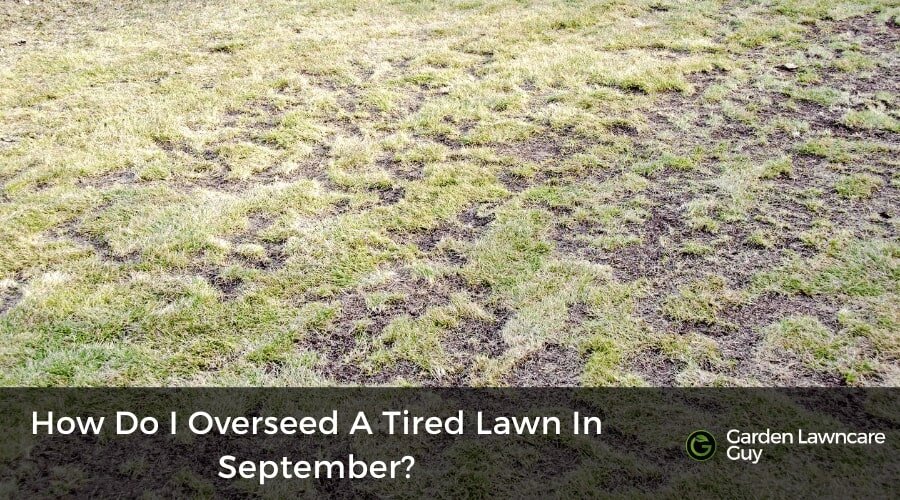
A hot, busy summer can leave even the best kept lawn thin, compacted and patchy. This guide gives you a practical, step by step plan for September lawn care that restores thickness and colour quickly.
We will cover the ideal weather window, easy preparation that makes seed take faster, clear application rates, watering, first mowing, feeding and simple fixes for common problems.
- How Autumn Lawn Renovation Helps After Summer Conditions
- How Do I Overseed A Tired Summer Lawn In September?
- Is September A Good Time Of Year To Overseed?
- What Are The Essential Prep Steps Before Overseeding A Tired Summer Lawn?
- Do I Need To Scarify & Aerate Before Overseeding, And In What Order?
- How Much Grass Seed Should I Use Per m² When Overseeding?
- How often should I water after overseeding in September, and for how many weeks?
- When Can I Mow & Feed After Overseeding, And What Should I Avoid?
- Common Mistakes To Avoid
- Troubleshooting Quick Fixes
- Final Tips and Seasonal Reminder
How Autumn Lawn Renovation Helps After Summer Conditions
After months of heat, foot traffic and irregular rain, turf can become hydrophobic on the surface, thatch can build up, and the upper few centimetres often compact.
Roots sit shallow, grass thins out, and weeds take the gaps. Autumn lawn renovation works because September usually offers warm soil, gentler sun, regular dews and more reliable showers.
That combination drives fast germination and strong early rooting with less daily watering than high summer. It is the sweet spot where seed takes well and new grass has weeks to toughen up before winter.
A quick readiness check for September
Use these simple checks to decide if today is a good overseeding day in the UK:
- Soil feels warm to the touch and is not dusty or baked hard
- The 7 to 10 day forecast shows cool nights and some shower activity
- You can push a garden fork into the top 80 to 100 mm without jumping on it
- You are prepared to keep the new seeds watered regularly if required during the first few weeks
If those boxes are ticked, you are ready to overseed.
How Do I Overseed A Tired Summer Lawn In September?
Here is the whole process in eight simple moves:
- Mow short to 20 to 25 mm, collect clippings, then gently rake to lift dead material.
- Scarify lightly if required to remove thatch so the new seeds can get good seed to soil contact. Double pass required for very thatchy areas.
- Relieve compaction with a fork or hollow core aerator, holes 60 to 100 mm deep, about a hand width apart.
- Rewet dry patches with a thorough soak. On hydrophobic spots, apply a wetting agent, then water again so moisture can be absorbed into roots.
- Topdress – Top dress with a good quality top dressing mix (for example 70% sand and 30% soil topdressing mix which is screened and sterilized). If possible use a lute to spread across the lawn as this helps achieve a smooth and even distribution.
- Apply fertilizer & grass seed Apply the seed and turf fertiliser and then the grass seed straight after (Application rate for grass seed: New lawn 50-70g/m² Overseed 25-50g/m²)
- Rake and press If possible tread or roll down the grass seeds or lightly cover with fine compost or screened topsoil to ensure the seeds have firm seed to soil contact.
- Water and protect keep seeds moist during germination phase, and deter birds. Water at least twice per day if no rain is due.
Recommended Products



Is September A Good Time Of Year To Overseed?
Yes. For most parts of the UK, September lawn care is the gold standard for thickening a summer-tired lawn. Soil remains warm from August, air temperatures are gentler, nights are dewy, and rainfall becomes more regular.
Those conditions shorten germination times and reduce hand watering. If the first half of September runs dry, water little and often to prevent the top 5 to 10 mm from drying out. Seed is small and has limited reserves. It needs consistent surface moisture plus warmth to trigger and complete germination.
Germination time can vary as it depends on the conditions but typically there is progress within the first 7-14 days. However it can take up to 28 days for the seeds to fully establish depending on type of grass seed.
Cool snaps can add a few days. Prolonged dry winds can stall emergence unless you water. Aim for even moisture, not saturation.
Picking the right seed type for September overseeding
Choosing the right grass seed mix to how you use the lawn and the light levels:
- Rye-heavy utility mix for play and pets, fast establishment and wear tolerance
- Fescue-led mix for a finer, denser, lower maintenance sward
- Shade tolerant options where trees or fences limit light
In September, blends with perennial ryegrass help thicken quickly and stabilise bare patches before winter. Fescues add density and finish.
What Are The Essential Prep Steps Before Overseeding A Tired Summer Lawn?
Getting the surface right is half the result. Seed to soil contact is the non-negotiable.
Step 1. Mow low, clean up and test the surface
- Reduce the height to around 20 to 25 mm. Cutting lower exposes the soil and helps seed reach it
- Collect clippings and debris so the seed does not sit on litter
- Use a spring rake to lift horizontal growth and scratch the surface
Step 2. Scarify to remove thatch
Thatch is the springy layer of dead stems that stops seed reaching soil. One light pass is normally enough for a tired summer lawn that still has decent grass. Heavily thatchy areas may need a second pass. Always tidy up with a rake afterwards.
Step 3. Relieve compaction
Use a garden fork or hollow core aerator over the whole area. Holes 60 to 100 mm deep at 10 to 15 cm spacing are ideal. Rock the fork slightly to lift and crack the soil. This improves infiltration, rooting and resilience.
Step 4. Rehydrate and fix water repellence
Summer drought can make the top few millimetres repel water. Soak hard, dry patches until the surface darkens and stays damp. On hydrophobic areas, apply a lawn wetting agent as directed, then water again. The goal is to ensure the top 10 to 20 mm accepts and holds moisture so seed can germinate evenly.
Step 5. Topdress for a level, receptive seedbed
Spread 3 to 5 mm of a fine, sand dominant topdressing across the surface. Brush or lute so it settles into holes and around existing plants. This evens the surface, covers exposed crowns and gives seed a nursery layer.
Step 6. Seed evenly and press in
Apply the grass seed evenly across the lawn. Half the seed north to south, the other half east to west. Lightly rake so that most of the seed is just under the a thin layer of topsoil. Then firm with a roller or lightly tread down seed. Firm seed to soil contact is what turns watering into germination rather than runoff.
Do I Need To Scarify & Aerate Before Overseeding, And In What Order?
Yes, in most cases. The order matters because each step sets up the next.
- Mow short first so tools can reach the surface
- Scarify next to remove thatch and open up the canopy
- Collect debris, then aerate to relieve compaction and create micro pockets for seed and topdressing
- Topdress, brushing material into the holes and across the surface
- Seed, rake lightly, then firm and water
Skipping scarification often leaves seed perched on thatch where it dries out and fails. Skipping aeration on a traffic worn lawn keeps roots shallow. Doing both prepares a receptive, breathable, moisture holding seedbed that rewards your effort.
How Much Grass Seed Should I Use Per m² When Overseeding?
Once you have chosen a premium grass seed mix you can then go onto see how much you’ll need for your lawn size based on our grass seed overseeding rates.
Rates depend on your goal and the current density of the lawn. Use these practical bands as a guide for overseeding UK conditions in September:
- If you’re seeding a new lawn from scratch apply 50-70g of seed per m²
- Overseeding rate 25-50g per m2
Pro tips for accurate application
- Split the total seed into two buckets and spread in opposite directions
- Use landmark lines like patio edges to keep passes even
- Keep a small reserve for any visibly thin zones you notice after the first watering
- For even coverage consider using a spreader to apply the seeds
How often should I water after overseeding in September, and for how many weeks?
Your aim is to keep the top few millimetres consistently moist until seedlings are rooted. In September that usually means less water than peak summer, but consistency still matters.
Simple watering plan for typical UK September weather
- Days 0 to 7: Light watering once or twice a day depending on sun and wind. If you see the surface lightening in colour, water. If showers are forecast, you can skip a round
- Days 8 to 14: Reduce to once a day or every other day if the surface stays dark and moist. Seedlings will be emerging
- Days 15 to 21: Water every 2 to 3 days, or not at all if regular rain arrives. Focus on avoiding complete dry outs rather than keeping it wet
How much water is enough
Think in terms of moistening the top 10 to 20 mm, not soaking deeply. Use a gentle spray so you do not move seed or expose seedlings. Morning is best so the surface is not wet overnight. If a hot spell hits, add a short midday mist to protect emerging seedlings.
Rain adjustments
If steady rain is due, pause watering and check after the shower passes. If a downpour washes seed into lines, let the surface settle, then scratch and redistribute lightly with a hand rake while still damp. Top up with a pinch of seed where needed.
When Can I Mow & Feed After Overseeding, And What Should I Avoid?
First mow
- Do not mow until new grass reaches roughly 60 to 70 mm
- Make the first cut high, around 40 to 45 mm
- Use sharp blades and mow when the surface is dry to avoid lifting seedlings
- Only remove one third of the height in any single cut
Ongoing mowing through autumn
- Gradually lower to your preferred autumn height, typically 25 to 35 mm for family lawns
- Keep clippings off new growth for the first few cuts
- Avoid heavy turns or dragging hosepipes across new areas for at least 3 to 4 weeks
Feeding schedule
- Once the new seeds are fully established and you’ve done the first cut, consider a specialised autumn/ winter lawn feed if it’s October – march time. This feed will support rooting and hardiness.
- If colour dips during cool, wet spells, a gentle tonic can help, but keep rates modest on young grass
What to avoid
- Do not let leaves sit on new seedlings. Lift them every few days
- Avoid evening watering that leaves the surface wet overnight in mild, still weather
- Keep heavy foot traffic off for at least three weeks, longer if very wet
Recommended Products
- From: £20.99Select options This product has multiple variants. The options may be chosen on the product page
 From: £15.99Select options This product has multiple variants. The options may be chosen on the product page

Common Mistakes To Avoid
- Skipping preparation. Seeding into thatch rarely works. Scarify and rake clean first
- No compaction relief. Without aeration on a traffic worn lawn, roots stay shallow and thin
- Over or under seeding. Too little and gaps remain. Too much and seedlings crowd, get leggy and fail. Follow the bands above
- Flooding the surface. Heavy watering can float seed into puddles and bare stripes. Use a fine spray, more often, less volume
- Mowing too early. Cutting young grass below 40 mm at first lift can pull seedlings out or stress them
- Feeding too soon. Strong feed on day one is not helpful. Wait for two cuts, then feed lightly for autumn strength
Troubleshooting Quick Fixes
- Seedlings are sparse after 2 weeks. Check moisture pattern and shade. Top up seed lightly in thin zones, keep the surface evenly moist for another 10 days
- Birds are taking seed. Rake a shade deeper, use a light topdressing cover, or lay a temporary mesh over the worst areas until germination
- Muddy lines after heavy rain. Let it drain, fluff with a hand rake, redistribute, and top up with a pinch of seed
- Fungal fuzz on the surface. Improve morning airflow, brush off heavy dew, water in the morning only, and avoid saturating the seedbed
- Worm casts. Let them dry slightly, then disperse gently with a brush before your next mow
Final Tips and Seasonal Reminder
September gives UK lawns the best blend of warmth and moisture for reliable overseeding. Take your time with the preparation and the rest becomes straightforward. Keep the seedbed evenly moist for the first two weeks, hold off mowing until new grass reaches 60 to 70 mm.
If cooler weather arrives late in the month, do not panic. Rye based mixes still establish well, and fescues are happy to keep rooting in mild, moist conditions. Stay patient, stick to the steps, and you will go into winter with a thicker, greener lawn that is ready for spring.