Cold, wet months can leave grass looking tired, pale and patchy. If you are wondering how to toughen turf and keep some colour when growth slows right down, the benefits of applying iron sulphate to your lawn in winter are hard to beat.
Iron sulphate is a simple, affordable addition that is often used as part of a winter maintainence program. It improves colour without pushing soft growth
- Why Iron Sulphate Works In Winter
- Can You Put Iron Sulphate On Your Lawn In Winter?
- The Benefits Of Applying Iron Sulphate To Your Lawn In Winter
- What Temperature Or Weather Conditions Are Best For Winter Applications?
- Application Tips for Winter
- Will Iron Sulphate Stain My Patio Or Paths, And How Do I Avoid It?
- How Soon After Applying Iron Sulphate Can I Scarify Or Overseed?
- Common Mistakes To Avoid
- Frequently Asked Winter Scenarios
- Final Tips And Seasonal Reminder
Why Iron Sulphate Works In Winter
Winter slows grass growth, soil biology and nutrient uptake. Iron Sulphate deepens green colour by increasing chlorophyll activity, yet it does not stimulate the kind of lush growth that gets knocked back by frost.
There are three useful winter effects to understand:
- Colour Without Soft Growth Iron is central to chlorophyll formation. A low dose gives a noticeable cosmetic lift, often within a few days, even when temperatures are too cool for strong growth. That makes it ideal for winter presentation without the risk of leggy blades.
- Turf Hardening By modestly acidifying the leaf surface and strengthening cell walls, iron is known to make turf a little more resilient. Many greenkeepers refer to this effect as turf hardening.
Can You Put Iron Sulphate On Your Lawn In Winter?
Yes, you can apply iron sulphate in winter, provided you pick the right weather window. Choose a mild spell when the ground is not frozen, not waterlogged and not covered by snow. The sweet spot is cool and damp. If rain is likely within 24 hours, great. If not, lightly water it in to activate and reduce the chance of leaf scorch.
Aim for one light to moderate winter application on most domestic lawns.
A few quick yes or no checks:
- Frosted ground this morning? Wait until it thaws and the sward dries.
- Heavy rain or standing water? Skip it. You do not want product washing into drains or beds.
- Bright, dry, windy day? Risk of granules or spray drift onto paths and patios. Pick a calmer, damp day.
Recommended Products
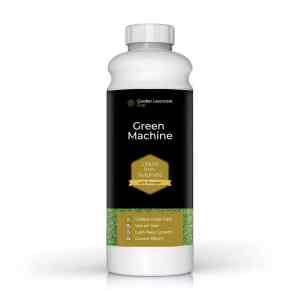
- From: Original price was: £16.99.£11.99Current price is: £11.99.Select options This product has multiple variants. The options may be chosen on the product page


The Benefits Of Applying Iron Sulphate To Your Lawn In Winter
This is where iron sulphate earns its keep for UK lawns between November and February. Here are the standout benefits you will notice when you get timing and rate right.
1) Visible Green-Up In Cool Weather
A small dose darkens the sward without causing a surge of growth. That means less mowing and fewer soft, frost-prone leaves. It is a tidy-up for winter presentation rather than a spring-like feed.
2) A Harder, Cleaner Surface
Regular light iron can help the lawn cope with footfall and winter disease pressure. Many users also notice fewer worm casts sticking to shoes because the firmer surface is easier to brush clean each morning.
3) Works With Nature, Not Against It
Winter is not the time to chase fast growth. Iron sulphate for lawns delivers appearance and resilience while you wait for spring soil temperatures to rise. It is a complement to, not a replacement for, your spring feed.
What Temperature Or Weather Conditions Are Best For Winter Applications?
The best time is during a mild, settled spell. As a rule of thumb, pick days when daytime temperatures sit roughly between 5°C and 12°C, with damp grass leaves and no frost present. Here is a simple checklist:
- No frost on the ground at the time of application.
- Soil not frozen and not saturated. If your boots sink and leave muddy prints, give it a few days.
- Light rain in the forecast or the ability to water in soon after.
- Low wind to avoid drift if you are spraying.
If hard frost or snow arrives straight after application, do not panic. Leave the lawn alone until it thaws. Walking on frosted grass can cause leaf bruising, so keep off until the whiteness has lifted.
Application Tips for Winter
When applying iron sulphate in winter, there are a few essential tips to keep in mind:
- Choose the Right Time: Opt for a dry day if possible where there are no frosts or snow.
- Use the Correct Dosage: Follow the recommended dosage on the product label to prevent over-application.
- Spread Evenly: Ensure even distribution of the iron sulphate across your lawn to avoid uneven coloration
- Always store iron in a dry, sealed container: out of reach of children and pets. Wear gloves and eye protection when mixing, especially on breezy days.
Green Machine Liquid iron sulphate is easy to apply, and can be done so with a watering can, backpack sprayer, or pump sprayer.
Alternatively you can opt for the granules and you can apply these to your lawn using a hand held spreader to achieve even coverage.
Will Iron Sulphate Stain My Patio Or Paths, And How Do I Avoid It?
Yes, iron can permanently stain stone, brick, timber and even some plastics by leaving rust-coloured marks. Prevention is the easy option. Use this quick routine to stay safe:
- Edge First: Before you start, blow or brush debris away from hard edges so there is nothing for the iron to stick to.
- Damp Grass, Dry Paths: Aim to treat when the grass is damp but paths are dry. Moist leaf blades help product stick. Dry slabs reduce splashes and runoff.
- Boundary Control: Use a half-moon edging tool to create a neat boundary. When spraying, keep the nozzle inside the lawn by 10 to 15 cm and use a low, even pressure.
- Immediate Rinse: If any iron touches a hard surface, rinse and brush right away. Do not leave it to dry.
- Footwear Check: After finishing, check your boots. A few specks can transfer to patios and steps. Keep to the grass for a minute or two to shed residues, or change footwear before walking onto paving.
If staining does happen, act quickly with water and a stiff brush. Avoid harsh acids that can damage stone. Prevention is still your best friend.
How Soon After Applying Iron Sulphate Can I Scarify Or Overseed?
For winter use, treat iron as a preparatory step rather than something to follow immediately with heavy work. A good sequence is:
- Apply iron in a mild spell. Leave the lawn for 7 to 14 days. Then rake or lightly scarify on the next dry window when the grass is growing.
- Overseeding plans: If you intend to overseed in late winter or early spring, try to schedule iron before any aggressive raking. After overseeding, wait 6 to 8 weeks before using iron again so the new seedlings can establish.
- Aeration: aerating your lawn is best saved for spring on most domestic lawns. If you spike in winter, do so on firm ground during a dry spell and not immediately after iron application.
The key is to avoid stacking stress. Iron, then rest. Renovation, then rest. Give the lawn time to respond between each task.
Common Mistakes To Avoid
- Applying On Frosty Or Frozen Ground Product can sit on the surface, scorch leaves and wash onto patios. Wait for a mild, frost-free window.
- Guessing The Dose Over-application can blacken grass, stain hard surfaces and acidify more than you intended. Always weigh the product and measure area. Follow specific application instructions on packaging for best results.
- Skipping The Water-In In dry weather, a light water-in helps activation and reduces the chance of leaf spotting. If rain is due within a day, that will usually suffice.
- Walking Product Onto Paths Check footwear and kit. Keep a dedicated pair of lawn shoes by the back door to avoid tracking residue onto paving.
- Expecting It To Fix Drainage Or Shade Iron helps with grass colour, but it will not cure compacted soil, poor drainage or heavy shade. Combine it with aeration, thatch control and improved light where you can. For further information on drainage issues read our article on how to fix a waterlogged lawn.
Frequently Asked Winter Scenarios
- The lawn is waterlogged in patches. Pause applications until the surface firms up. Treating saturated ground increases the risk of runoff and staining.
- There is heavy moss everywhere. Use a moss killer, some of which include iron to blacken and hold it in check, then plan a proper spring renovation with scarifying, hollow-tining where needed, and overseeding.
- I have sandy soil on a windy site. Pick calm, damp mornings. Consider using a granular form to reduce drift if spraying is difficult.
- Pets use the lawn daily. Keep pets off until the application has dried and been watered in. Store the product securely and rinse feeding bowls kept outdoors to avoid accidental contact.
Final Tips And Seasonal Reminder
In the UK, winter lawncare is about patience and small wins. The benefits of applying iron sulphate to your lawn in winter are real, provided you respect timing and dose. Choose a mild, damp day, start with light rates, and keep iron off hard surfaces. Use it to maintain colour and harden the sward while you wait for spring temperatures to rise.
As the days lengthen, plan your next steps. Rake out moss on a dry window, tidy the edges, and book in a spring feed once soil temperatures are consistently climbing in spring. Combined with regular mowing, that thoughtful winter iron will pay you back with a denser, cleaner lawn heading into the growing season.
Bestselling Lawncare Products
 From: £20.99Select options This product has multiple variants. The options may be chosen on the product page
 From: £19.99Select options This product has multiple variants. The options may be chosen on the product page
 From: £15.99Select options This product has multiple variants. The options may be chosen on the product page