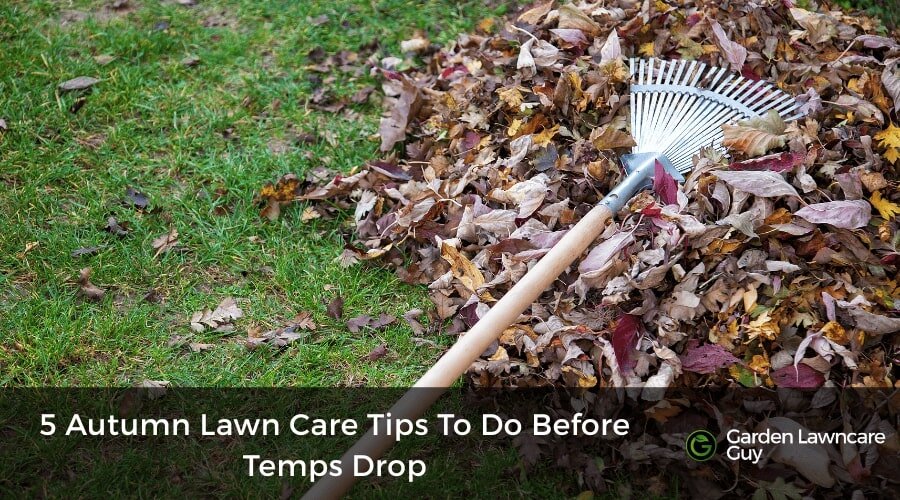
As the days shorten and the air cools, it can feel like the lawn is winding down. In reality, this is your golden window to set it up for a strong spring.
In this guide, we’ll cover 5 essential Autumn lawn care tips to do to UK lawns before temps drop, so you can prevent winter damage, boost resilience, and keep your lawn looking tidy through the colder months.
- Why Lawns Struggle In Autumn And Early Winter
- 5 Key Lawn Care Tips To Do Before Temps Drop
- When Should I Stop Mowing My Lawn In Autumn (UK)?
- Is It Better To Scarify Or Aerate First In Autumn?
- Can I Overseed My Lawn In October In The UK?
- What Should I Put On My Lawn Before Winter?
- Should You Walk On Frosty Or Waterlogged Grass?
- What Height Should Grass Be For The Last Cut Of The Year?
- Common Mistakes To Avoid
- Final Tips And Seasonal Reminder
Why Lawns Struggle In Autumn And Early Winter
Summer stress, foot traffic, and dry spells often leave behind hidden problems that only show up when temperatures fall.
Thatch builds, soil compacts and fallen leaves trap moisture against the grass. Add fewer daylight hours and slower growth, and you’ve got a recipe for patchiness.
Here’s the good news: autumn is the perfect time to reset. Cooler air with still-warm soil helps new seed establish, moisture levels are friendlier, and the sun is less punishing. With a focused plan, you’ll prepare the lawn for winter and give it a head start for spring.
5 Key Lawn Care Tips To Do Before Temps Drop
Use this short, results-first checklist. If your lawn needs a full refresh, work through all five. If it’s in decent shape, pick the steps that match your issues.
1) Clear Leaves Little And Often
Leaves block light, hold moisture, and can invite disease. Rake or use a light-duty lawn brush two to three times per week while trees are shedding. In heavy fall periods, daily quick sweeps are worth it. Don’t let leaves build up, especially in shady corners.
2) Light Scarifying To Remove Thatch And Moss
Thatch is a springy layer of dead stems that prevents water and nutrients from reaching the roots. A light autumn scarify removes this barrier and reduces moss. Aim for a gentle pass rather than a deep rip-out in autumn. If moss is heavy, start with a light pass now and plan a more thorough session in spring.
3) Aerate To Relieve Compaction
Compaction stops roots breathing and worsens waterlogging. Use a garden fork or a hollow core aerator to create openings that let air and water move. On high-traffic areas like paths across the lawn or play zones, add a second pass in a criss-cross pattern. Follow with a light topdressing to sweep into the holes and support better drainage.
4) Overseed Bare And Thinned Areas
Autumn overseeding is high payoff because soil is still relatively warm and rain is more reliable. After scarifying and aerating, sprinkle seed across thinned areas and rake lightly so it contacts the soil. Keep the surface just moist while seed germinates. If birds are persistent, a temporary, loose net cover can help.
5) Feed With An Autumn Lawn Feed
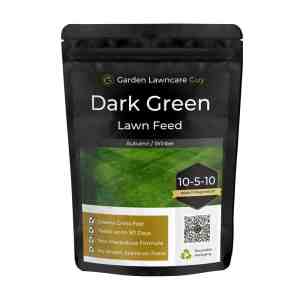
Choose a specialised Autumn / winter feed suited to the colder conditions, typically with balanced nutrition to support roots over lush leaf growth. Apply at the recommended rate, ideally just before light rain. Avoid feeding during a frost, October is a great time to feed your lawn before winter sets in. Tip: For even coverage apply using a hand spreader.
Recommended Products
- From: £20.99Select options This product has multiple variants. The options may be chosen on the product page
- From: £11.99Select options This product has multiple variants. The options may be chosen on the product page
 From: £19.99Select options This product has multiple variants. The options may be chosen on the product page


When Should I Stop Mowing My Lawn In Autumn (UK)?
There isn’t a single national cut-off date. Instead, watch growth and temperature. As daytime highs settle into single digits and the lawn barely grows between weeks, ease off mowing.
A typical UK signal is to take your last proper mow when growth slows around the 8–10°C range. Never mow when the grass is wet, frosty, or waterlogged. If you need a tidy-up cut late in the season, raise the mower one notch and make sure the ground is firm and the blades are dry.
A sensible late-season height is on the higher side of your usual setting. Slightly longer grass cushions the crown and helps the sward resist winter stress. Think in terms of a neat, healthy finish rather than a tight bowling-green cut.
Is It Better To Scarify Or Aerate First In Autumn?
If you’re doing both, scarify first, aerate second, then topdress and overseed. Here’s why:
- Scarify first to remove thatch and lift debris. That exposes the soil surface and reduces the barrier to water and nutrients.
- Aerate second to relieve compaction and create channels for air, water, and roots. The holes also give topdressing somewhere to settle. For more information, see our detailed aeration guide.
- Topdress by sweeping a fine layer into the holes and across the surface to smooth the profile and support drainage.
- Overseed so fresh seed can sit against open soil for reliable germination.
That order keeps each step reinforcing the next and avoids burying debris.
Can I Overseed My Lawn In October In The UK?
Yes, October can still work well in many parts of the UK, provided the soil holds some warmth and the surface isn’t waterlogged.
The key is seed-to-soil contact and steady moisture, not constant saturation. After a light scarify, overseed thinned zones, rake in, and keep the top few millimetres just damp. Water lightly as needed if the weather turns dry, but be careful not to wash seed away.
If temperatures in your area have already dropped, you can still overseed in late autumn but opt for a grass seed that germinates in lower temperatures, such as our Cold Pro Grass seed mix.
What Should I Put On My Lawn Before Winter?
Build a simple pre-winter bundle around your lawn’s needs:
- Autumn lawn feed to support roots and resilience without forcing soft growth.
- Topdressing after aeration to smooth minor hollows and improve surface drainage.
- Light iron treatment only where moss is a genuine issue. Always follow the label and keep products off paving to avoid stains.
- Wetting and drainage fixes – brush in topdressing, spike compacted areas, and avoid traffic on saturated zones. Consider applying a soil improver for lawn drainage.
- Regular leaf clearing so the sward stays bright and disease pressure stays low.
If you’ve got persistent shade or heavy trees, make leaf control your top priority. In many gardens, two quick sweeps per week in peak fall is the difference between a bright lawn and a blotchy one.
Recommended Products
- From: £20.99Select options This product has multiple variants. The options may be chosen on the product page

- From: £11.99Select options This product has multiple variants. The options may be chosen on the product page
Should You Walk On Frosty Or Waterlogged Grass?
As temperatures start to drop, be mindful of causing extra damage and keep on top of your winter lawn care. Avoid walking on your lawn in frosty conditions. Frosty grass is brittle; footsteps crush frozen blades and can leave blackened footprints that linger for weeks. Waterlogged turf compacts easily, smearing the soil and starving roots of air.
If you must cross the lawn, use the same route each time to localise wear. For gateways and common cut-throughs, consider placing stepping stones or creating a designated path.
If damage happens, let the area dry or thaw fully before any work. Then gently rake, spike with a fork to open the soil, and topdress lightly. In spring, overseed any patches that remain thin.
What Height Should Grass Be For The Last Cut Of The Year?
Aim for a slightly higher finish than your summer cut. Many homeowners find a comfortable late-season setting gives a finished height somewhere around 4–5 cm, but always adapt to your mower and grass type. The goal is to keep the lawn neat and upright without scalping. Taller blades help shield the crown, reduce weed visibility, and cope with colder, darker days.
If you miss the weather window and conditions are wet or frosty, skip the cut. A missed mow is better than torn, damaged grass.
Common Mistakes To Avoid
- Leaving leaves to pile up. Thick layers invite disease and patchiness. Clear little and often, especially in shade.
- Going too heavy with scarifying in autumn. Save the deep thatch removal for spring when the lawn rebounds faster. Keep autumn passes light.
- Skipping aeration on compacted lawns. If your lawn sees a lot of footfall, those fork holes are a game-changer. Follow with a light topdress.
- Overfeeding late in the season. Don’t feed with a high nitrogen feed at this time of year, go for a balanced autumn feed specially formulated for this time of year.
- Mowing in the wrong conditions. Avoid cutting when the lawn is wet, frosty, or waterlogged, and raise the height for the final tidy.
Final Tips And Seasonal Reminder
Autumn lawn care is key to helping protect your lawn over winter so it bounces back quicker in the spring. Keep leaves moving off the surface, use a light touch with scarifying, open the soil with aeration, overseed where it’s thin, and apply an appropriate autumn lawn feed.
If you’re unsure where to start, choose the single task that addresses your biggest problem: heavy leaves, thatch, compaction, or thin patches. Even one focused can make a difference.
As temperatures drift downward, be guided by growth. When the lawn slows, finish with a slightly higher cut, then keep off it during frosts and saturated spells. With these steps in place, your lawn will roll into winter more resilient, and ready to surge back when warmer days return.