

The cold temperatures, low levels of light and frost can be tough on your lawn over the winter period. It leaves your lawn more susceptible to winter damage and diseases if it’s not taken care of properly.
It’s a perfect time for some simple maintenance tasks. These small tasks can really make the difference to your lawn for the year ahead.
- Why Lawns Struggle In January
- January Lawn Care Tips For Quick Wins
- Should I Mow My Lawn In January?
- Can I Scarify The Lawn In January?
- How Do I Treat Moss On My Lawn In Winter?
- Is It Okay To Sow Grass Seed In January?
- What Should I Do If My Lawn Is Waterlogged In January?
- What Winter Lawn Feed Should I Use In January?
- Common Mistakes To Avoid
- Final Tips And Seasonal Reminder
Why Lawns Struggle In January
January usually brings short daylight hours, saturated soils, and regular frosts. Grass growth slows right down because soil temperatures often sit below the range grass needs to photosynthesise efficiently.
With growth minimal, the lawn cannot quickly repair footprints, compaction, or disease damage. Two simple concepts explain most winter issues:
- Traffic plus wetness equals compaction. When you walk on soft or frozen turf, you bruise leaf tissue and compress the surface. In January, recovery is slow, so dents and tracks linger.
- Moisture plus still air equals moss pressure. Moss thrives where grass is weakened. Persistently damp, shaded corners are prime spots. Without small, regular interventions, moss gains ground quickly in winter.
Build your January routine around prevention: keep the surface clean and lightly aerated, avoid unnecessary traffic, and use targeted actions like moss control only when the weather and ground conditions are suitable.
January Lawn Care Tips For Quick Wins
Use these small but powerful jobs on suitable days. Aim for dry surfaces, no frost, and firm ground underfoot.
- Weekly debris sweep- Remove leaves, twigs, and thatch wisps. A clean surface allows more light and airflow, which helps the grass resist disease and discourages moss.
- Light hand aeration in high traffic spots– Use a hand fork to spike compacted patches to a depth of 7 to 10 cm, wiggling the tines slightly to open the soil. Follow our lawn aeration guide for all you need to know on aeration.
- Edge tidying– Recut ragged edges along beds and paths on a mild, dry day. Sharper edges make the whole lawn look better while guiding water away from borders.
- Worm cast management– When casts dry, gently disperse them with a stiff brush before they smear. Smearing creates muddy caps that block light and invite moss.
- Tool care- Clean and sharpen mower blades now. You will be ready for the first light cut in late winter or early spring when growth resumes.
- Feed your lawn– choose a winter feed specifically designed for the colder weather. Such feeds generally contain a balanced mix of nutrients that focus on root development and resistance rather than lush, rapid growth.
Recommended Products
- From: £20.99Select options This product has multiple variants. The options may be chosen on the product page
- From: Original price was: £16.99.£11.99Current price is: £11.99.Select options This product has multiple variants. The options may be chosen on the product page

Should I Mow My Lawn In January?
Usually, no mowing is needed in January. Growth is minimal, and cutting on a cold, wet, or frosty surface risks tearing leaves and compacting the soil.
There are a few exceptions. If you experience a mild spell where the lawn is clearly growing, the ground is firm, and the surface is dry, a very light trim can neaten things up. Keep these rules in mind:
- Never mow when frosty or frozen. Footprints and mower wheels can scorch or snap the blades, leaving brown tracks.
- Check the ground. If your shoes sink or the mower leaves ruts, stop. You will cause compaction that lasts for weeks.
- Raise the height. Use the highest or next highest setting. You are just topping, not cutting. The goal is to prevent long blades from matting, not to push new growth.
- Clean the deck. Wet winter clippings stick to the mower. Clean and dry the underside after use to prevent corrosion.
If in doubt, skip mowing. Your lawn will thank you in spring when growth returns with fewer weak patches to repair.
Can I Scarify The Lawn In January?
Scarifying removes moss and thatch, but January is not the right time. The combination of cold temperatures and wet soils means recovery is slow. Scarifying now can leave the lawn thin and vulnerable just when frost and waterlogging are most likely.
Plan to scarify in spring or autumn when conditions are better and your lawn can recover from it.
How Do I Treat Moss On My Lawn In Winter?
Winter is peak moss season, so the goal is containment until conditions favour grass again. Combine cultural fixes with carefully timed treatments.
Cultural fixes to start now
- Light and airflow. Prune overhanging branches a little to let more winter light reach the sward. Clear leaves promptly after windy days.
- Surface drying. Hand spike compacted or flat areas and, on suitable days, brush a modest amount of sharp sand or a sandy topdressing into the holes.
- Reduce traffic. Add stepping stones across frequently used routes so feet avoid the same thin strip of grass.
Using a moss control treatment
- Use a moss killer like moss off to help kill moss in your lawn. This effective solution kills & prevents moss.
- Follow application rates and instructions and avoid over-application.
Remember that moss control is a symptom fix. The longer-term solution is better light, drainage, and reduced compaction.
Is It Okay To Sow Grass Seed In January?
Soil warmth is usually too low in January for reliable germination. Seed that sits dormant in very wet or cold soil risks rotting or being eaten by birds. Plan your seed mix and quantities now so you can act quickly in spring when temperatures rise.
If you must repair a couple of patches over winter your only option would be to opt for a cold tolerant grass seed mix that germinates in lower temperatures. This mix requires soil temperatures of 5 degrees plus consistently for the seed to germinate so it is likely that January is still too cold but keep an eye out for temps improving in February or march time.
For best results schedule a proper overseed when soils warms up. Keep an eye on temperatures consistently improving before you pick a window to do full lawn renovation.
What Should I Do If My Lawn Is Waterlogged In January?
Waterlogging is common in midwinter, especially on clay or compacted ground. Your aim is to protect the surface and encourage water to move off or down without causing more damage.
Immediate actions
- Stay off. Foot traffic on saturated turf squeezes out air and smears the soil, making drainage worse.
- Channel the water. If safe to do so, gently open shallow channels from puddles to lower borders to help water escape. Do not gouge the lawn when it is soft.
- Surface spiking. On a firm day, spike with a garden fork in a grid pattern. Avoid doing this while the soil is plastic or smeary.
Short-term improvements
- Topdressing into holes. If conditions suitable brush a sandy topdressing into the fork holes to help future rainfall drain faster.
- Remove thatch and debris. Keep the surface clean so water does not cling to organic litter.
Long-term fixes
- Improve drainage. Plan to hollow-tine and topdress in spring. Repeat over several seasons to build a more free-draining surface layer.
- Regrade and add paths. In persistent boggy corners, raise low spots slightly and add stepping stones to protect the grass from regular footfall.
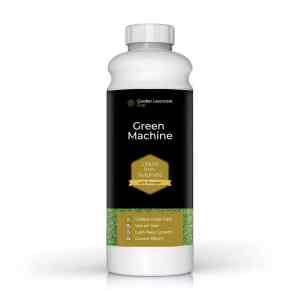
- Soil improver. In conjunction to these fixes consider regular application of liquid gypsum to improve drainage in your soil.
What Winter Lawn Feed Should I Use In January?
When it comes to winter lawn care, it’s essential to choose a feed specifically designed for the colder weather. Winter feeds typically contain less nitrogen than spring/summer feeds, helping prevent excessive top growth that would leave the grass blades more vulnerable to cold-weather damage over winter.
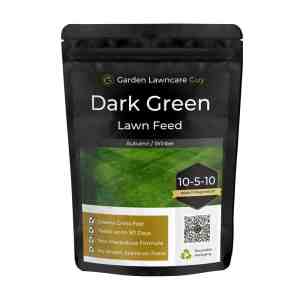
Our Dark Green Winter Lawn Feed is ideal for this time of year as it’s specifically formulated for providing the best results when feeding your lawn in cold weather.
How to apply safely
- Choose a product labelled for winter with low nitrogen and balanced potassium. Follow application rates exactly.
- Apply only when the surface is dry and Water in lightly if directed.
- Avoid applying in frosty conditions.
- Apply with a spreader to achieve even coverage.
Common Mistakes To Avoid
- Walking on frost. Footprints scorch the grass and can take weeks to fade. Wait until frost lifts fully.
- Mowing or scarifying on wet ground. This compacts the soil and tears the sward. Always check firmness first.
- Heavy treatments in cold snaps. Avoid feeding or spraying before frost.
- Ignoring shade and drainage issues. Look at long term fixes aswell as short term fixes to improve drnage.
- Leaving debris in place. Matted leaves trap moisture and shade the grass. A quick weekly sweep prevents bigger problems.
Final Tips And Seasonal Reminder
Focus on prevention and protection. Keep the surface clean, gently relieve compaction in high wear areas, and hold back on major renovations until soils warm.
If you see moss, tackle the underlying causes alongside any treatment. If water gathers, use light spiking and topdressing for now and schedule in proper aeration in spring.
And if the weather gives you a mild, dry window, tidy edges or take a light topping cut at a high setting. These small, well timed steps now will reduce the workload and cost of moss control and repairs later, and your lawn will respond faster when daylight lengthens.
Bestselling Lawncare Products
 From: £19.99Select options This product has multiple variants. The options may be chosen on the product page
 From: £20.99Select options This product has multiple variants. The options may be chosen on the product page
 From: £15.99Select options This product has multiple variants. The options may be chosen on the product page


Read Next
Previous : December Lawn Tips | Next : February Lawn Tips




Can you recommend best products to avoid worm casts, thanks.