If you are wondering how to prevent moss growth over winter, you are not alone. Short days, steady rain and cool temperatures create ideal conditions for moss to outcompete tired grass.
This guide explains exactly what to do between late autumn and early spring so your lawn comes through winter greener, thicker and ready for a strong spring start.
- Why Moss Thrives In Winter Lawns
- How To Prevent Moss Growth Over Winter: The Essentials
- Why Does Moss Get Worse In Lawns Over Winter?
- Can I Put Moss Killer On My Lawn In Winter?
- How Do I Stop Moss Coming Back After Treatment?
- Is Moss Bad For My Lawn Or Just A Symptom?
- What’s The Best Winter Timeline For Treating Moss In The UK?
- Should I Aerate And Scarify In Winter Or Wait For Spring?
- Common Mistakes To Avoid
- Final Tips And Seasonal Reminder
Why Moss Thrives In Winter Lawns
Healthy grass wins by growing fast enough to fill space. In winter, growth slows right down while moss keeps ticking over.
Add shade from low sun, waterlogged soil, compacted footpaths and a hungry lawn, and you have the perfect recipe for colonisation. Here is the short version of why it happens and how winter lawn care can break the cycle:
- Low light and short days reduce photosynthesis. Thin, leggy grass leaves gaps that moss can occupy.
- Constant moisture from rain and dew keeps the surface damp. Moss does not need deep roots and can thrive on the surface film.
- Compaction squeezes the air out of soil. Grass roots need oxygen to stay active, while moss can sit on top.
- Nutrient hunger leaves grass weak. Without a steady trickle of nutrition, grass cannot compete.
- Acidic tendencies can creep in over time on some soils. Grass prefers a slightly acidic to neutral pH. Moss tolerates a broader range.
The solution is not a single silver bullet but a set of simple habits that favour grass. That is what the rest of this article covers.
How To Prevent Moss Growth Over Winter: The Essentials
Think of prevention in three pillars. Keep it light, breathable and fed. When you do these three consistently, moss has little room to move in.
- Light management
- Trim back overhanging branches before the darkest months to let in more winter sun.
- Raise the mowing height but keep blades sharp, and continue occasional mowing during mild spells to keep the lawn tidy without scalping.
- Breathable soil
- Relieve compaction on traffic lanes using a garden fork or a lawn aerator. Aim for 5 to 8 cm depth, spacing holes roughly a shoe length apart.
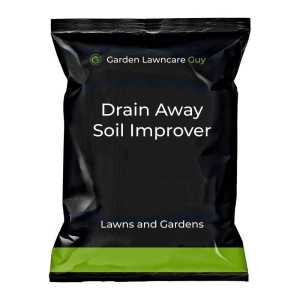
- Brush a light topdressing of sandy loam into the holes on heavier clay areas. This improves surface drainage where it matters most. You can also add liquid gypsum soil improver to help drainage.
- Fed grass, not fed moss
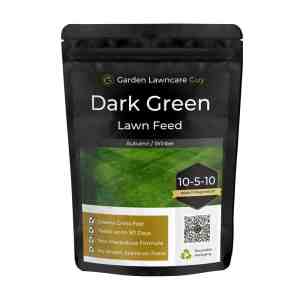
- Use a low nitrogen specialised autumn / winter lawn feed to support the grass so it’s getting the nutrients it needs.
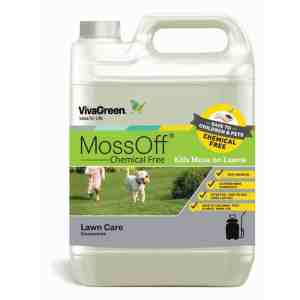
- Where moss is already present iron based treatments are commonly used and are great over winter because they don’t push top growth which can be susceptible to frost.
Recommended Products
- From: Original price was: £16.99.£11.99Current price is: £11.99.Select options This product has multiple variants. The options may be chosen on the product page
- From: £20.99Select options This product has multiple variants. The options may be chosen on the product page


Why Does Moss Get Worse In Lawns Over Winter?
Moss is opportunistic. It spreads by spores and fragments that settle wherever light is low, moisture is constant and competition is weak.
Winter delivers all three. Grass slows because soil is cold, day length is short and the sun angle is low. Heavy rain or still, humid air keeps leaf surfaces damp for hours at a time. If the lawn was thin after summer wear or autumn leaf fall, bare spots are ready made territory.
Several common site factors make it worse:
- Persistent shade from fences, sheds and evergreens.
- Poor drainage on compacted clay or dips where water collects.
- Scalping from mowing too low in late autumn.
- Neglected edges where strimmers shave the crown of the grass.
- Traffic compression from bins, play, pets or a winter shortcut across the lawn.
The fix is to undo each of those pressures a little at a time. Keeping on top of winter lawn care can really make the difference to your lawn’s health.
Can I Put Moss Killer On My Lawn In Winter?
Yes, with care. Iron based products are widely used through the colder months because they blacken existing moss quickly and help harden grass against frost. Here is how to use them sensibly:
- Timing: Calm, dry days when rain is not imminent are ideal. Many households aim for a window in November, then a follow up 4 to 6 weeks later if required, avoiding frozen or waterlogged ground.
- Application: Measure your lawn and apply at the stated rate. Over application risks scorching. Use a spreader for granules. For liquids, apply evenly and avoid drift onto paving.
- Aftercare: Keep people and pets off until the product has dried in or been watered in as directed. Rake out blackened moss after 7 to 14 days when it lifts easily. Removing the dead thatch opens space for grass.
- Integration: Pair iron with light aeration and feeding. Iron on its own tidies the surface but does not fix the conditions that allowed moss to dominate.
Important note. Deep, aggressive scarifying during mid winter is not advised. Reserve heavier renovation for spring when grass can recover quicker.
How Do I Stop Moss Coming Back After Treatment?
Think of treatment as clearing the deck. Prevention is about keeping the deck occupied with healthy grass. Use this checklist to keep moss from returning:
- Aerate high traffic strips throughout autumn with a fork or spike aerator. Quick, targeted relief keeps air and water moving.
- Tidy drainage by brushing a light topdressing into holes on boggy patches. Reapply two or three times across winter in stubborn areas.
- Feed little and often with a winter suitable product that supports root strength. You are not chasing lush leaves, you are feeding resilience.
- Overseed thin areas at the end of winter once heavy frosts have passed. Choose a grass seed mix suited to your lawn’s conditions. If the conditions are still cold go for a Cold start grass seed mix that germinates in low temperatures.
- Manage shade and traffic with small habit changes. Lift mower height, alternate footpaths, and prune branches that block the low sun.
When these basics are in place, moss has fewer footholds and gradually declines season by season.
Recommended Products
- From: £15.99Select options This product has multiple variants. The options may be chosen on the product page
 From: £19.99Select options This product has multiple variants. The options may be chosen on the product page
 From: £29.99Select options This product has multiple variants. The options may be chosen on the product page

Is Moss Bad For My Lawn Or Just A Symptom?
Moss is mostly a symptom. It tells you that current conditions favour moss more than grass. On its own, moss does not poison soil and it can even act as a short term cover where grass struggles.
The problem appears when moss crowds out grass, leaving a soft, spongy surface that holds moisture and invites more weeds. Over time, the lawn loses density and the bare patches that follow are slow to recover.
Treat moss as a message. Solve the underlying issues and you will not see much of it next year.
What’s The Best Winter Timeline For Treating Moss In The UK?
Use this practical calendar from late October through February. Adjust a week either way for your local weather.
Late October To Early November: Set The Stage
- Final tidy up mowing at a higher setting. Avoid scalping.
- Collect leaves weekly so light reaches the grass.
- Prune low branches and lift canopies where safe to increase winter sun.
- Aerate compacted paths now while soils are still workable.
Mid To Late November: First Iron Window
- Choose a dry day with no strong frost in the forecast.
- Apply iron based treatment at the labelled rate.
- Keep off until dried or watered in as directed.
- A few days later, brush the lawn to stand fibres up and encourage air movement.
December: Drainage And Light Checks
- Watch for persistent puddles and mark them with small pegs. These are your priority aeration zones.
- Add a light topdressing to the marked spots on a crisp, dry day.
- Keep debris and leaves off the lawn so daylight can do its job.
Early January: Second Iron Window If Needed
- Inspect the lawn. If moss has rebounded strongly, a second iron application can be used provided the ground is not frozen or waterlogged.
- Do not overdo it. If in doubt, err on the lighter side and focus on aeration.
Late January To February: Recovery Prep
- On milder spells, lightly rake out dead moss that now lifts freely.
- Touch up aeration on traffic lanes.
- Plan overseeding for late February into March once risk of hard frost is fading.
- Line up a spring feed to kick start growth so new seedlings knit in quickly.
Follow this rhythm and you will arrive in spring with a lawn that is ready to thicken rather than start again from bare patches.
Should I Aerate And Scarify In Winter Or Wait For Spring?
You can aerate in late autumn / early winter, but heavy scarifying is best saved until early spring. Here is how to decide:
- Aeration
- Fine in winter when the ground is workable. Focus on compaction lanes and boggy spots. Use a fork or hollow tiner to 5 to 8 cm depth.
- Frequency can be little and often. Ten minutes on the worst area every fortnight makes a visible difference.
- Scarifying
- Do not scarify in winter as it can do more harm than good. Wait until conditions are better in spring and autumn.
- Topdressing
- Avoid topdressing in winter as the grass isn’t growing quickly enough to recover.
Common Mistakes To Avoid
- Going too low with the mower in late autumn. Low cutting weakens the crown and invites winter scalp marks that moss colonises.
- Skipping aeration because it feels like a big job. Targeted ten minute sessions on the worst areas are enough to make progress.
- Relying only on moss killer. A treatment can tidy the surface but does not correct long term issues like shade or drainage. Pair it with cultural fixes.
- Scarifying hard in mid winter. Deep ripping when the lawn cannot recover leaves more bare soil and more moss later.
- Topdressing too heavily. A thick layer smothers grass. Use light, brushed in passes, especially on clay.
Final Tips And Seasonal Reminder
Winter lawn care is about small, steady wins. Keep light reaching the grass, keep the soil breathing and keep a gentle flow of nutrition going. Use iron based treatment in short, well spaced bursts to tidy existing moss, then remove the dead material and open the sward for spring.
If your lawn is thin in shadier corners, plan to overseed with a winter active grass seed mix if temperatures are suitable so new plants occupy the space that moss would take.
In wetter parts of the garden, invest a little extra time in aeration and brushing light topdressings into the holes to encourage surface water to move. These tweaks, done consistently, are what prevent moss growth over winter and set you up for a greener, thicker lawn by Easter.