
Can I Grow Grass Seed In February? The simple answer is Yes. For those eager to rejuvenate their lawn ahead of spring, February can be a surprisingly effective time to start.
It’s often assumed that February is too early to sow grass seed; however, with the right knowledge and conditions, seeding your lawn is very much possible.
Choosing the right type of Grass Seed when seeding in February can make all the difference as it’s important to opt for one that can germinate in low temperatures. This article will discuss the benefits and tips for success when seeding your lawn in February.
Can You Really Grow Grass Seed in February?
What Makes February a Viable Option?
Despite the common belief that February is too early, certain conditions make it a viable option for sowing grass seed. In mild winters, soil temperatures can rise enough during the day to support germination. It is important to look at the upcoming temperatures before sowing the seed.
Additionally, the natural rainfall common in February can keep the soil moist, which is critical for seed germination and also means less manual watering.
Choosing the Right Grass Seed
Choosing the right type of grass seed is essential when seeding your lawn in the colder temperatures. Most grass seed mixes require temperatures of 8-10 degrees plus to germinate so opt for one that is tolerant to colder temperatures.
Cold Pro Grass Seed is a winter active mix which only requires soil temperatures of 5 degrees plus to germinate so this mix is great for seeding in colder temperatures.
Benefits Of Seeding Your Lawn In February
Early Start to the Growing Season
Planting grass seed in February gives your lawn a head start before the warmer months. With an extended growing season, the grass has more time to establish strong roots and develop a thicker, healthier turf by summer. This early growth also makes your lawn more resilient to heat, drought, and pests.
Reduced Competition from Weeds
One of the biggest benefits of seeding in February is the reduced competition from weeds. Many weed species remain dormant during winter, giving grass seed the opportunity to germinate and thrive without being overshadowed by aggressive weed growth.
Taking Advantage of Natural Rainfall
February’s typically wet weather is another advantage for winter seeding. The consistent rainfall reduces the need for manual watering, helping the seed stay moist and promoting steady germination. Cooler temperatures also slow down evaporation, ensuring the soil retains its moisture for longer periods.
Challenges of Sowing Grass Seed in February
Germination rates may be slower and less predictable due to fluctuating and cold temperatures. However if you carefully plan the best time to sow the seed beforehand based on the upcoming weather forecast you should hopefully avoid any really cold spells.
There is still a risk to unexpected frosts but is likely to just slow germination down, it is rare the seedlings will get damaged by the frost unless consistent frosty weather and snow.
Recommended Products
- From: £11.99Select options This product has multiple variants. The options may be chosen on the product page
 From: £19.99Select options This product has multiple variants. The options may be chosen on the product page



Preparing Your Lawn for Winter Sowing
Soil Preparation
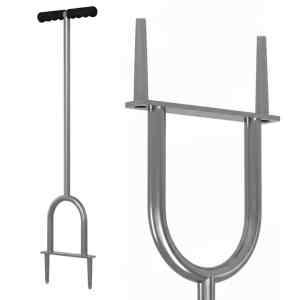
Proper soil preparation is crucial for successful winter seeding. Start by clearing the area of debris, such as leaves or twigs, and if required aerate the soil to improve drainage and oxygen flow. Raking the soil lightly will also help ensure good seed-to-soil contact, which is vital for germination.
Monitoring Soil Temperatures
A soil thermometer can be a valuable tool for winter sowing. Grass seed typically germinates best when soil temperatures reach at least 6°C. Checking the soil regularly will help you determine the optimal time to sow your seed.
Step-by-Step Guide to Sowing Grass Seed in February
Assess the soil and weather conditions: Ensure the soil is not frozen and monitor the weather forecast for the coming weeks to ensure no really cold spells.
Select the appropriate seed mix: Choose a grass seed mix suited to cooler temperatures for the best results. The Cold Pro Winter Active Mix is most suitable for cold conditions as it germinates in soil temperatures as low as 5 degrees.
Prepare the soil: Clear debris and leaves to create an even bed for sowing.
Apply the grass seed: Use a lawn spreader for consistent coverage, or distribute the seed by hand for smaller areas.
Protect the seeded area: If frost or bird interference is a concern, cover the area with fleece or netting.
Monitor growth: Check for germination and water the lawn if rainfall is insufficient to keep the soil moist.
Common Mistakes to Avoid
Planting Seed Too Deeply
Grass seed should be sown shallowly to ensure it can access sunlight and oxygen. Aim to plant the seed no deeper than 10-15mm, as burying it too deeply can hinder germination.
Overlooking the Importance of Soil Temperature
Seeding without considering soil temperature can lead to poor results. Always check that the soil is warm enough to support germination before planting.
Neglecting Post-Sowing Care
Proper care doesn’t end after planting. Newly sown areas require regular monitoring and maintenance.
Alternative Options if February Conditions Are Unfavorable
If conditions in February are too harsh for seeding, there are other options to consider. You can use the time to plan ahead for your when you do seed. Keep on top of winter lawn care maintenance to ensure the ground is ready for seeding. You can wait until mid-March allows for more stable conditions and higher soil temperatures. Overseeding strategies can also be employed in early spring to repair patches and thicken existing lawns.
Recommended Products
- From: £20.99Select options This product has multiple variants. The options may be chosen on the product page


Post-Sowing Care
Once your grass seed has germinated and started to grow, maintaining a regular mowing and feeding schedule is crucial for keeping your lawn healthy and vibrant. Proper nourishment not only supports lush growth but also strengthens the grass, making it more resistant to damage from external factors.
Once the grass seed is established and you’ve done the first cut, it is a great time to start your feeding regime.
Why Feeding Your Lawn Matters
Grass, like any living organism, requires essential nutrients to thrive. Over time, natural processes such as rainfall and mowing deplete the soil of these nutrients. Regular feeding replenishes these vital elements, ensuring your lawn remains green, thick, and healthy throughout the year.
Fertilising your lawn also enhances root development, which is key to withstanding environmental stressors like heat, drought, and heavy foot traffic. Additionally, a well-fed lawn has a better chance of outcompeting weeds, creating a dense turf that crowds out unwanted plants.
Seasonal Feeding for Best Results
Tailoring your lawn feeding routine to the season ensures your grass gets exactly what it needs at the right time. In spring and summer, high-nitrogen feeds promote vibrant green growth and fast recovery from wear and tear. Products like the Dark Green Spring/Summer Lawn Feed are ideal for this period, as they provide a nutrient balance that supports leaf and root development. It is recommended to apply this every 8-12 weeks and switch to the autumn / winter mix from October – march.
Autumn feeding, on the other hand, focuses on preparing your lawn for winter by strengthening roots and building resilience against colder temperatures. This seasonal approach ensures your grass is healthy and ready to flourish year-round.
Building a Long-Term Care Routine
Consistency is key to maintaining a healthy lawn. Regularly applying the right fertiliser, watering as needed, and keeping up with mowing will create an environment where your grass can thrive. A well-fed lawn doesn’t just look good—it’s better equipped to handle whatever challenges come its way.
FAQ’s
Conclusion
While it’s often believed that February is too early for sowing grass seed, with the right preparation and conditions it can make it an excellent time to start. With benefits like reduced weed competition, natural rainfall, and an early start to the growing season, February seeding is worth considering for those ready to take on the challenge.
It is important to opt for a winter active mix like cold pro grass seed when seeding your lawn in February. By planning carefully and following best practices, you can achieve a lush, vibrant lawn even when starting early in the year.