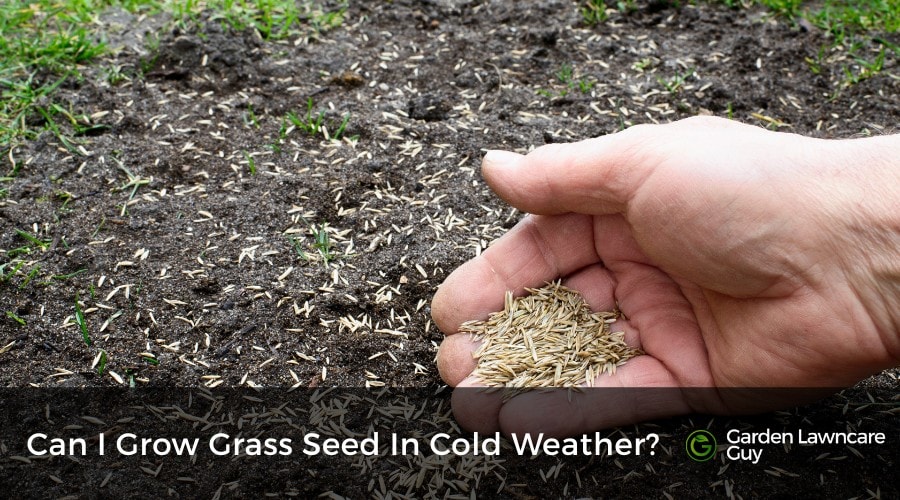
Growing grass seeds in the winter is doable with the right knowledge. With a few simple tips and the right type of grass seed you can start growing a healthy lawn even in the cold.
This guide explains when sowing still works, when it’s better to wait, and how to set yourself up for success in the UK climate. You will learn the temperature rules that actually matter and the simple prep steps that make a big difference.
- What Temperature Is Too Cold For Grass Seed To Germinate?
- Will Grass Seed Germinate At 5°C, Or Will It Just Sit Dormant?
- Should I Cover Grass Seed In Cold Weather?
- Key Tips for Sowing Grass Seeds In Cold Weather?
- Which Grass Seed Mix Is Best For Cold Conditions?
- How Long Will Grass Seed Take To Grow In Cold Weather?
- Can I Grow Grass Seed In Cold Weather?
- Common Mistakes To Avoid
- A Simple Cold-Edge Seeding Guide
- Final Tips And Seasonal Reminder
What Temperature Is Too Cold For Grass Seed To Germinate?
Temperature plays a crucial role for grass seed germination. The good news is some grass varieties, like perennial ryegrass have a better chance of germinating during winter as they are more tolerant to the cold conditions:
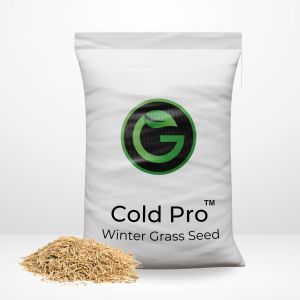
- Our Cold Pro Grass Seed Mix contains high-quality rye grass and is specifically designed to germinate in lower soil temperatures than other mixes.
- Choosing a cold tolerant grass seed mix like this that can withstand the colder temperatures can be key to healthy growth over the winter period.
- It’s also essential to consider that soil temperature is not the same as air temperature. While air temperatures might fluctuate wildly during the winter months, soil temperatures tend to change more gradually lagging from the previous season.
- For example, in November the soil temperatures can still be warm from the summer heat whereas in early spring time the ground temperatures can be very cold after a cold and frosty winter.
Will Grass Seed Germinate At 5°C, Or Will It Just Sit Dormant?
At soil temperatures below 5°C not even a cold tolerant grass seed mix will germinate. The good news is that viable seed can sit safely in the soil for a time.
It will not magically rot the moment you sow; it simply waits. Once soil temperatures consistently rise in spring, the seed wakes up and germinates.However there are caveats:
- Seed that sits in wet, compacted, or poorly drained spots is more likely to rot or wash away
- Birds and surface-feeding wildlife can also reduce your seed bank.
- To improve survival, ensure the seed is raked in so it is lightly covered, firm the surface so the seedbed is level and stable.
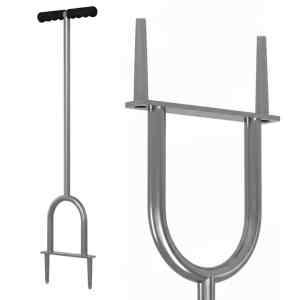
- Consider a very thin dressing of fine compost to hide and protect the seed while allowing air to reach it.
It is important to consider there are 5 common reasons why grass seeds won’t germinate.
Should I Cover Grass Seed In Cold Weather?
A light cover helps in two important ways: it protects seed from birds and heavy rain, and it adds a degree or two of insulation near the surface. You have a few options.
Light topdressing: A very thin layer of fine compost or screened topdressing material is often the easiest. It hides seed, reduces drying winds at the surface, and keeps the seedbed stable. Keep the layer thin so you do not smother emerging shoots.
Horticultural fleece: This breathable fabric traps a little warmth and cuts wind. Peg it down loosely to avoid shading the surface too much. Check underneath after wet spells to ensure the soil is not saturated.
Temporary plastic sheeting: Clear polythene can raise temperatures on calm, sunny days, but it also traps condensation and can overheat in an unexpected sunny spell. If you use it, keep it stretched and vented, and remove it as soon as you see germination. For most home lawns, fleece or a simple topdressing is easier to manage.
Whatever you choose, maintain seed-to-soil contact. A cover is not a substitute for good preparation.
Key Tips for Sowing Grass Seeds In Cold Weather?
Here are six essential tips to help you get the best results when sowing grass seed during the chilly months.
- Check the upcoming Weather
It’s important to keep an eye on the upcoming weather. Plan your seeding on a day when the temperatures are milder, ideally in the 5–10 degrees range, to allow seeds a better chance at establishing before any major frost sets in. - Prepare the Soil
Lightly rake to remove debris and aerate your lawn if compacted. Add screened topsoil if needed for better seed-to-soil contact. - Choose Cold-Tolerant Grass Seed
Use a winter-active seed mix, that contains perennial ryegrass which can germinate in soil temperatures as low as 5°C - Ensure Seed-to-Soil Contact
Lightly rake and press seeds into the soil to improve contact, enhancing germination and stability. - Monitor Moisture Without Overwatering
Winter brings natural moisture, so just ensure soil remains slightly moist and avoid heavy watering to prevent waterlogging. - Protect Against Erosion
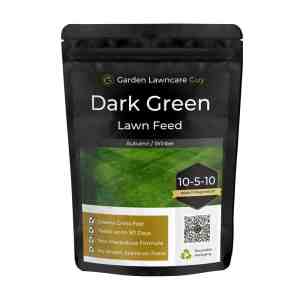
If you can use a light mulch or seed cover to protect seeds from wind, rain, and animals, promoting consistent conditions for growth. - Feed your lawn Once established follow up with an specialised Autumn/ Winter feed to feed it with essential nutrients before the first frost sets in.
Recommended Products
- From: £15.99Select options This product has multiple variants. The options may be chosen on the product page
- From: £20.99Select options This product has multiple variants. The options may be chosen on the product page
Which Grass Seed Mix Is Best For Cold Conditions?
For quicker establishment at the cool end of the range, a mix containing perennial ryegrass is a reliable choice for many UK lawns. Our grass seed for cold weather contains high-quality rye grass and is specifically designed to germinate in soil temperatures as low as 5°C.
Choosing a cold tolerant grass seed mix that can withstand the colder temperatures can be key to healthy growth over the winter period.
How Long Will Grass Seed Take To Grow In Cold Weather?
Grass seed germination time can vary depending on several factors but typically takes up to 28 days with the right conditions.
If the soil temperatures are too cold for the particular mix being used, seeds may remain dormant until conditions improve. If you have seen little to no growth but can still see the seeds sat in the soil, the seeds will germinate they just need warmer temps consistently.
Additionally, if you are seeding in shady conditions, germination may take longer. Areas with limited sunlight receive less warmth, which can slow down the growth process. If your lawn has heavy shade, opt for a shade-tolerant grass seed mix to improve your chances of success. This mix requires higher soil temps of 10-12 degrees plus.
Can I Grow Grass Seed In Cold Weather?
You can but it’s important to take a tailored approach when seeding in the colder weather.
Here is a simple decision guide:
- Soil 9 to 15°C with mild forecast: Go ahead. Prepare well, sow, lightly cover, and protect from birds. Keep off the area and water lightly if the surface dries.
- Soil 6 to 8°C with some frost risk: Proceed only if you are happy with slower results. Use a Cold pro mix designed to germinate in lower temps, add a light cover, and be ready to overseed again in early spring.
- Soil ≤6°C or repeated frosts: use dormant seeding for light repairs, or hold off and prepare the surface so you are ready to sow promptly in spring.
Common Mistakes To Avoid
- Judging by air temperature alone. Always check soil temperature where the roots will grow. A run of chilly nights can keep soil too cold despite a mild afternoon.
- Leaving seed on the surface. Seed that is not tucked in washes away, dries out, or feeds the birds. Rake lightly and firm for good contact.
- Sowing into waterlogged ground. Saturated soil starves seed of oxygen and increases rot. Wait for a workable surface before sowing. See our guide on how to improve a waterlogged lawn.
- Using a heavy cover. Thick layers of compost or plastic can smother or overheat. Keep coverings light and breathable if possible.
- Expecting summer-speed results. Cold-season sowings take longer to germinate.
A Simple Cold-Edge Seeding Guide
Use this checklist whenever you are tempted to sow close to winter.
- Test soil temperature ensure soil temperatures are suitable for the grass seed mix you have chosen.
- Prepare the surface. Scarify or rake to remove debris. Level shallow dips. Break crusted or compacted areas so roots can run.
- Choose the right mix. For faster establishment near the lower temperature range, include perennial ryegrass. Add fescues for shade or lower-input areas.
- Create seed-to-soil contact. Rake lightly to tuck seed in, then firm the surface with a roller or by foot, using boards to spread your weight on soft ground.
- Apply a thin topdressing. A dusting of fine compost helps retain moisture, hides seed, and buffers temperature near the surface.
- Protect and monitor. Use fleece in exposed sites if possible. Watch the forecast for hard frosts or heavy rain and remove covers promptly if conditions swing warm.
- Water only if needed. In cold, damp weather you often do not need to water. If the top centimetre dries, a light sprinkle is enough. Avoid puddling.
- Stay off the area. Foot traffic compacts cold, wet soil and damages emerging shoots.
Bestselling Lawncare Products
 From: £19.99Select options This product has multiple variants. The options may be chosen on the product page
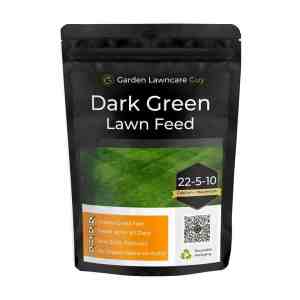 From: £20.99Select options This product has multiple variants. The options may be chosen on the product page
 From: £15.99Select options This product has multiple variants. The options may be chosen on the product page

Final Tips And Seasonal Reminder
Measure soil temperature, match your approach to the conditions, and prepare the ground now so you can move quickly when a mild spell arrives.
If you do sow, choose a mix that includes perennial ryegrass, cover lightly, and keep your expectations realistic. If you decide to wait, use winter to tidy edges, improve drainage, and sharpen your mower so you are ready for that first spring cut.
A calm, prepared approach always beats forcing growth against the season. With the right timing and method, your lawn will reward you when the soil warms.