When your lawn looks tired after a long winter or a hot summer, you might find yourself wondering if it actually matters whether you choose “autumn lawn feed” or “spring lawn feed.”
The short answer is yes — choosing the right one at the right time can make the difference between a patchy, moss-ridden lawn and a lush, resilient carpet of green. In this guide, we’ll walk through the key differences between autumn lawn feeds and spring lawn feeds, when to apply them, how they work, and common mistakes to avoid.
- Why The Difference Between Autumn & Spring Lawn Feed Matters
- What Is The Difference Between Autumn And Spring Lawn Feed?
- Autumn Feeding Is More Important Than Spring Feeding?
- When Is The Best Time To Apply Autumn And Spring Lawn Feed?
- Can You Use Autumn Lawn Feed In Spring (Or Vice Versa)?
- How Often Should I Feed My Lawn?
- What Happens If You Skip Seasonal Feeding?
- How To Apply Lawn Feed Correctly: Step-By-Step
- Common Mistakes To Avoid
- Product Recommendations For Best Results
- Final Tips And Seasonal Reminder
Why The Difference Between Autumn & Spring Lawn Feed Matters
Grass plants have different priorities depending on the season:
- Spring and summer – The grass is focused on producing new green leaves and repairing damage from winter. It needs a nitrogen boost to drive this top growth.
- Autumn and winter – Growth slows, but the plant focuses on building strong roots, storing nutrients, and resisting cold weather. It benefits more from potassium and other hardening nutrients.
Just like you wouldn’t wear a winter coat in July, your lawn needs season-appropriate nutrition.
What Is The Difference Between Autumn And Spring Lawn Feed?
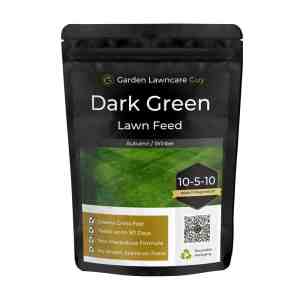
The dark green Spring/ Summer Lawn Feed is high in nitrogen (N), the nutrient responsible for lush, green top growth. It also contains phosphorus (P) for healthy roots and potassium (K) for disease resistance, but nitrogen is the star of the show.
Whereas the dark green Autumn/ Winter Lawn Feed has much lower nitrogen and higher potassium. Too much nitrogen in autumn encourages soft, sappy growth that’s easily damaged by frost. Potassium strengthens the grass cell walls, making it tougher against cold, disease, and wear.
Quick comparison table:
| Feature | Spring / Summer Formula | Autumn / Winter Formula |
|---|---|---|
| Nitrogen (N) | High – for rapid green growth | Low – avoids frost damage |
| Potassium (K) | Moderate | High – strengthens against cold & disease |
| Moss control | Sometimes included | Often includes iron sulphate |
| Application window | Mar–Jun | Aug–Oct |
Recommended Products
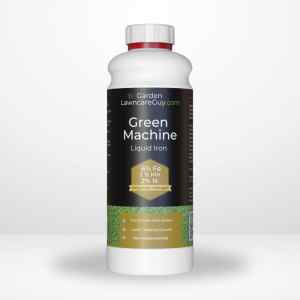
- From: £20.99Select options This product has multiple variants. The options may be chosen on the product page
Autumn Feeding Is More Important Than Spring Feeding?
Many lawn care experts argue that if you only feed your lawn once a year, autumn is the better choice. Here’s why:
- Root strength – Strong roots mean a quicker recovery in spring.
- Nutrient storage – Autumn feed loads the plant with reserves for winter.
- Disease resistance – Potassium helps fight off snow mould and other fungal problems.
- Weed and moss suppression – A thick, healthy sward is less inviting for unwanted plants.
By the time spring arrives, your lawn already has the stored energy to green up quickly.
However for optimal results we suggest to apply our dark green lawn feed every 8-12 weeks and use the right type of feed depending on the time of year. For more information, read our detailed guide on the best lawn feeds.
When Is The Best Time To Apply Autumn And Spring Lawn Feed?
For cool-season grasses (like ryegrass and fescues, common in the UK):
- Spring / Summer feed – April to late September, once the grass is actively growing and soil temperatures are consistently above 8°C.
- Autumn / Winter feed – From late September through till April. Aim to get an application in before frosty conditions set in so October time is ideal for an autumn feed before winter.
Pro tip: Apply on a mild day when rain is forecast within 24–48 hours, or water in well yourself. This helps nutrients reach the roots.
Can You Use Autumn Lawn Feed In Spring (Or Vice Versa)?
You can use autumn feed in spring, but you won’t get the vibrant green-up you’re looking for. It won’t harm your lawn — it just won’t fuel that burst of leaf growth.
Using spring feed in autumn is more problematic. The high nitrogen content can lead to weak growth that’s highly susceptible to frost damage, snow mould, and disease. Stick to season-appropriate formulas.
How Often Should I Feed My Lawn?
For a typical UK lawn:
- Twice a year – As a minimum feed once in spring and once in autumn.
- Every 8–12 weeks – For a premium finish, you can feed more regularly (recommended every 8-12 weeks using the dark green lawn feed).
What Happens If You Skip Seasonal Feeding?
Skipping a seasonal feed won’t immediately kill your lawn — but it will gradually undermine its health. Over time, you’ll likely notice several negative effects:
- Reduced grass density and colour over time
- Shallower roots, less drought/frost resistance
- Increased weed and moss intrusion
- Thinner, less resilient lawn next season
Keeping on top of feeding your lawn can help protect it through the harsh winter months.
How To Apply Lawn Feed Correctly: Step-By-Step
Step 1: Mow the lawn – Cut the grass before feeding. This helps nutrients reach the soil surface more effectively.
Step 2: Check weather forecast – Apply feed when rain is expected within 24 hours of applying the feed — or water it in manually. Avoid feeding during drought or heavy frost.
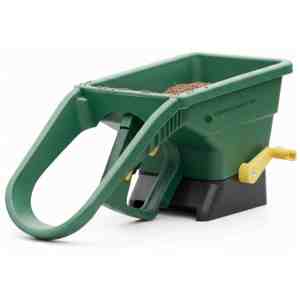
Step 3: Spread evenly – Use a hand held spreader for even coverage. Follow application rates stated on packaging carefully to avoid overfeeding.
Step 4: Keep off the grass. Avoid walking on the lawn for 24 hours after applying feed, especially with granular products. Step 5: Follow up with watering If there’s no rain, water the lawn lightly to help activate the fertiliser.
See more detailed guide on how to apply lawn fertiliser.
Recommended Products
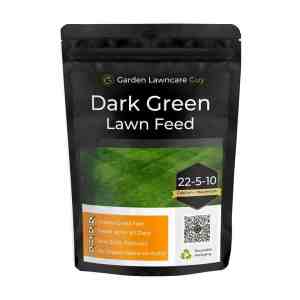 From: £20.99Select options This product has multiple variants. The options may be chosen on the product page
- From: £15.99Select options This product has multiple variants. The options may be chosen on the product page
- From: Original price was: £16.99.£11.99Current price is: £11.99.Select options This product has multiple variants. The options may be chosen on the product page

Common Mistakes To Avoid
- Wrong feed, wrong season – Leads to poor results or damaged turf.
- Feeding too late in winter – The grass won’t absorb nutrients well in cold soil & frosty conditions.
- Overfeeding – More isn’t better; it can scorch the grass.
- Skipping moss control – Especially in autumn, when moss loves the damp.
- Not watering in dry weather – Granular feeds need moisture to activate.
Product Recommendations For Best Results
- Spring green-up: Pair a nitrogen-rich feed with a liquid wetting agent to improve nutrient uptake.
- Autumn resilience: Choose a low-nitrogen, high-potassium formula with added moss control.
- All-season option: Organic Lawn Feed – Year Round 1.75kg – safe for pets and children, consistent slow-release nutrition.
- Full care plan: Annual Lawncare Bundle – seasonal feeds and extras for a complete year of lawn care.
Final Tips And Seasonal Reminder
- In spring: Start feeding once your lawn is growing strongly.
- In autumn: Feed before temperatures drop sharply to help roots strengthen for winter.
- If feeding only once: Autumn gives the biggest long-term benefits.
- Always follow application rates: Overuse can burn grass and harm soil health.
The right lawn feed at the right time is one of the simplest ways to enjoy a lush, green lawn year-round.