Are you wondering why your grass seed won’t grow despite your best efforts? You’ve carefully sown the seeds, watered regularly, and waited patiently—yet, nothing. It’s frustrating, but don’t worry understanding the reasons behind this can help you achieve the perfect lawn you’re after.
In this article, we’ll uncover the top five reasons your grass seed won’t grow and provide simple solutions to get your lawn looking lush and healthy. Whether it’s poor soil conditions, the wrong time of year, or even hungry birds, we’ve got you covered.
- Finding The Root Cause
- Temperatures Are Too Cold For Grass Seed
- Wait Longer for the Seeds to Germinate
- Soil Preparation
- Lack of Water or Overwatering
- Washed Away Or Eaten By Birds
- Choosing the Wrong Type of Grass Seed
- Why is my grass seed not germinating?
- How long does it take for grass seed to grow?
- Conclusion: Achieve the Perfect Lawn
Finding The Root Cause
In general there are 5 commons reasons why your grass seed is not growing as it should. Finding the root cause as to why they’re are not germinating will help you determine if you need to take any further action.
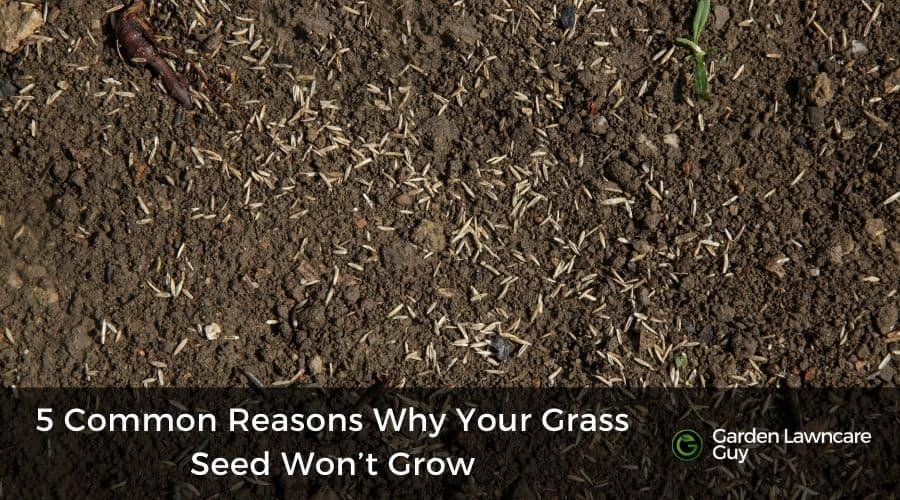
If your grass seeds still haven’t sprouted but you can still see the seeds sat in the soil, they will grow and you will just need to give them longer to germinate. See the sections below “temperatures are too cold, wait longer for seeds to germinate and soil preparation’.
If you have seen no growth and can no longer see the seeds sat in the soil then there’s a good chance they’ve been washed away or eaten by birds (please read the section below ‘Washed Away Or Eaten By Birds’).
If this is the case and they are not visible in the soil, it is best to spread some more grass seed down.
Temperatures Are Too Cold For Grass Seed
Timing is everything when it comes to planting grass seed and choosing the best time to plant grass seed is key to success.
Grass seed needs the right soil temperature, moisture levels and conditions to germinate properly. If you sow at the wrong time of year, you may see little to no growth.
Most grass seed mixes require soil temperatures of 8-10 degrees plus to germinate so spring and autumn are usually the best seasons to sow grass seed. However it is important to remember that these required temperatures for germination are needed consistently day and night during the germination phase.
While a few warm, sunny days might make it seem like the perfect time to sow the grass seed, nighttime temperatures can drop significantly, affecting seed growth. Always check both daytime and nighttime soil temperatures before sowing to ensure a stable environment for germination.
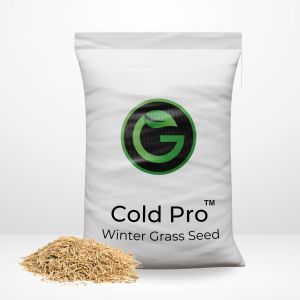
If you need to seed during colder months, choosing the right type of grass seed is essential. Our Cold Pro grass seed is specifically designed to germinate in lower temperatures and only requires soil temperature of 5 degrees plus. This makes it the perfect choice for overseeding in late autumn or early spring when traditional grass seed may struggle.
It is important to check before buying grass seed what soil temperatures are required for that specific grass seed mix to germinate.
Wait Longer for the Seeds to Germinate
Grass seed germination time can vary depending on several factors but typically takes up to 28 days with the right conditions.
If the soil temperatures are too cold for the particular mix being used, seeds may remain dormant until conditions improve. If you have seen little to no growth but can still see the seeds sat in the soil, the seeds will germinate they just need warmer temps consistently. Keep the seeds watered daily if there is no rainfall.
Additionally, if you are seeding in shady conditions, germination may take longer. Areas with limited sunlight receive less warmth, which can slow down the growth process. If your lawn has heavy shade, opt for a shade-tolerant grass seed mix to improve your chances of success.
Recommended Products
- From: £15.99Select options This product has multiple variants. The options may be chosen on the product page

Soil Preparation
Even the best grass seed won’t grow if the soil isn’t properly prepared. Compacted soil, poor drainage, and nutrient deficiencies can all prevent seeds from taking root.
Seed To Soil Contact
Seed to soil contact is really important when sowing new grass seed so preparation is needed to ensure there are no barriers to prevent this.
Rake or scarify: Before sowing, loosen the top layer of soil and remove debris or thatch sitting on the top of your lawn. This can be done by raking or scarifying your lawn.
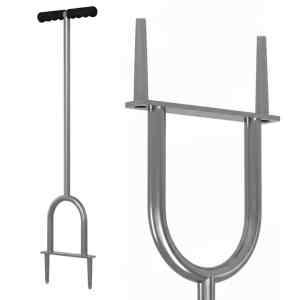
Aerate your lawn if required: If the ground feels hard and you have compacted soil, aerate your lawn. Aerating a compacted lawn helps improve soil structure by loosening tightly packed soil, allowing air, water, and nutrients to reach the grassroots more effectively. This encourages deeper root growth, enhances drainage, and reduces thatch buildup, creating a healthier environment for new grass seed to establish and thrive. Adding a thin layer of screened topsoil or compost can improve conditions and provide essential nutrients to support new growth.
Do not plant grass seed to deep: Planting grass seed too deep can prevent it from germinating properly. Grass seed needs light, oxygen, and warmth to sprout, and if buried more than 2-3mm deep, it may struggle to reach the surface. Shallow planting ensures the seed stays in contact with the soil while still receiving enough sunlight and moisture for successful germination.

Lack of Water or Overwatering
Water plays a crucial role in seed germination as the seeds need consistent moisture to activate germination. The soil should stay damp but not waterlogged.
Too little water, and the seed will dry out before it sprouts. Too much water, and it can wash away the seeds or cause rot before they have a chance to germinate.
Newly sown grass seed needs consistent moisture, especially during the first few weeks. Water lightly but frequently—ideally twice a day—until the seedlings are established. Once the grass begins to grow, you can reduce watering to encourage deep root development.
If you live in an area with unpredictable rainfall, consider using a sprinkler system or hose timer to ensure your lawn gets the right amount of moisture without overdoing it. In the warmer summer conditions more manual watering will be required. However if seeding a new lawn in spring or autumn, there should be a decent amount of rainfall to keep the seeds moist.
Washed Away Or Eaten By Birds
One common reason grass seed won’t grow is that it gets washed away by heavy rain or be eaten by the birds. If you have seen no growth and there are no longer seeds visible in the soil, it is likely they have been eaten by birds or washed away. If this is the case and no seeds are visible in the soil you will have to put some more seed down.
To prevent seeds from being washed away, avoid watering too heavily in one go. Instead, water lightly but frequently to keep the soil moist without creating runoff. If heavy rain is expected, consider covering newly seeded areas with a light layer of topsoil or compost to help anchor the seeds.
Birds are naturally attracted to grass seed, which can significantly reduce germination rates. To deter them, rake the seed lightly into the soil or use a coated grass seed designed to be less appealing to birds. If it becomes a real problem you can also cover the area with netting or a fine layer of straw to provide protection while still allowing light and moisture to reach the seed.
Choosing the Wrong Type of Grass Seed
Not all grass seed is created equal, and selecting the wrong type for your climate and soil conditions can lead to disappointing results. It is important to do your research and go for a high quality grass seed mix to suit your lawn’s conditions
For colder temperatures, it’s vital to choose a grass seed blend designed to handle low soil temperatures. Our Cold Pro grass seed is formulated to germinate in temperatures as low as 5°C, making it perfect for seeding in early spring or late autumn. This ensures a stronger, healthier lawn even in challenging conditions.
Similarly, if you have a shaded lawn, using a shade-tolerant mix will provide better results than a standard sun-loving seed. Understanding the specific needs of your lawn will help you select the best seed for your conditions.
Another common reason grass seed can struggle to germinate is in poor draining soils. Poorly draining soil can prevent grass seed from establishing properly by causing water to pool, leading to seed rot and weak root development. To improve drainage, aerate the soil, avoid overwatering and consider using a soil improver to help your lawn drain.
Drain away is Granular soil improver to improve drainage in lawns and enhance soil structure. This is Ideal for clay and poor draining soils, this should be applied every 8 – 12 weeks for maximal benefits. This can be used in conjunction with sowing grass seed.
Recommended Products
 From: £15.99Select options This product has multiple variants. The options may be chosen on the product page
 From: £15.99Select options This product has multiple variants. The options may be chosen on the product page
-
Why is my grass seed not germinating?
Grass seed may not germinate due to low soil temperatures, poor soil preparation, lack of moisture, or being planted too deep. Ensure to check what soil temperatures are required for the type of grass seed you have chosen and ensure the right preparation is done.
How long does it take for grass seed to grow?
Grass seed may not germinate due to low soil temperatures, poor soil preparation, lack of moisture, or being planted too deep. Ensure to check what soil temperatures are required for the type of grass seed you have chosen and ensure the right preparation is done.
Conclusion: Achieve the Perfect Lawn
Understanding the top five reasons why grass seed won’t germinate can help you achieve a lush, healthy lawn. By ensuring the right soil temperature, preparing the ground properly, providing consistent moisture and choosing the right seed for your conditions, you can significantly improve germination success.
For more information read our regional grass seed growing guides for tailored advice suited to your specific area