

As the nights draw in and the first cold snaps arrive, it can be hard to know what your lawn really needs. This is your practical guide to getting turf ready for cold, wet weather so it bounces back strong in spring.
In this article, we will cover why October matters, the exact sequence of jobs, how to set your mower, whether to scarify or overseed, the right autumn lawn feed, and how to handle frost and waterlogging.
- Why October Lawn Care Matters
- Is October Too Late To Scarify A Lawn?
- Should I Fertilise My Lawn In October?
- Common Mistakes To Avoid
- What Height Should I Cut Grass In October?
- Can I Overseed A Lawn In October?
- How Do I Improve Lawn Drainage Before Winter?
- Is It Okay To Walk On A Frosty Lawn?
- Quick Tip Guide For October
- Final Tips And Seasonal Reminder
Why October Lawn Care Matters
October is the sweet spot for late season maintenance because growth is still ticking along, soil retains warmth from summer, and rainfall helps seed and nutrients settle.
This is the last reliable month to complete heavier tasks before winter shuts the grass down. October lawn care can really make a difference to building up your lawn’s resilience to disease and frost. Here is a summary of the most effective steps to take this month:
- Rake and clear leaves to prevent smothering and reduce moisture sitting on the sward.
- Light scarify or dethatch if growth is still active. Keep it gentle at this time of year.
- Aerate compacted areas. Use a garden fork for small lawns or a hollow-tine tool for heavy soil.
- Topdress thin or uneven areas with a sandy loam dressing to improve surface levels and drainage.
- Overseed bare patches while soil is still 8 degrees Celsius or warmer.
- Apply an autumn lawn feed with lower nitrogen and higher potassium to toughen the grass.
- Mow high when the grass is dry enough, keeping blades sharp to avoid tearing.
Follow that order and you avoid trapping seed under thatch or mowing away young seedlings too soon.
Is October Too Late To Scarify A Lawn?
It depends on two things: soil temperature and how vigorous the current growth is. Scarifying removes moss and thatch so air and water can reach the crown. The lawn needs some recovery growth afterwards. Use these rules of thumb:
- If day temperatures are still in the low teens and nights are mostly above 6 to 7 degrees, a light scarify is fine. Avoid heavy, aggressive passes this late.
- If growth has slowed right down and soil feels cold, park scarifying until spring. You can still rake out loose debris and moss by hand.
- If you have significant moss, treat it lightly and plan the main renovation for April once growth is strong.
Signs you can safely proceed now: the lawn still needs mowing weekly or fortnightly, and you see fresh green tips a few days after cutting.
If in doubt, test one small area first. After a light scarify, collect debris, then overseed thin patches and topdress to keep seed-to-soil contact.
Should I Fertilise My Lawn In October?
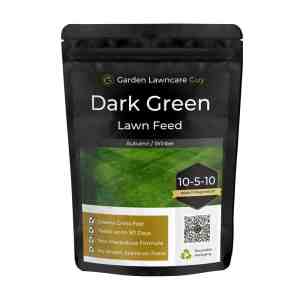
Yes, but choose the right formulation. It is important to opt for a specialized autumn lawn feed as it should be lower in nitrogen and higher in potassium, with some phosphorus for roots.
The aim is to harden cell walls, build root mass, and prepare the plant for winter, not push soft leafy growth.
Practical pointers:
- Apply after raking, any light scarifying, and aeration if required, so nutrients reach the root zone.
- Water in if rain is not forecast. Avoid application ahead of heavy rain that can wash it through too quickly.
- Follow label application rates carefully. More is not better at this time of year.
- If you have recently overseeded, apply a gentle feed once seedlings have emerged and are anchored. A balanced, lower nitrogen formula is ideal for late season establishment.
Feeding now supports resilience against winter disease pressure and helps the lawn green up faster next spring.
Recommended Products
- From: £20.99Select options This product has multiple variants. The options may be chosen on the product page
 From: £15.99Select options This product has multiple variants. The options may be chosen on the product page

Common Mistakes To Avoid
- Mowing when wet: Wet clippings clump, mower wheels compact the surface, and dull blades tear leaves. Wait for a drier window, even if that means mowing in the afternoon.
- Cutting too short: A low cut in October weakens the plant before frost. Keep it higher to maximise photosynthesis.
- Heavy scarifying late: Aggressive thatch removal with little recovery time can leave the lawn thin over winter. Go light or defer to spring if growth is slow.
- Skipping aeration on heavy soils: Compaction plus winter rain equals puddles and root stress. Even a simple fork every 10 to 15 cm helps.
- Overseeding on cold soil: Seed just sits and may rot. Use the soil temperature rule and prioritise south facing or sheltered spots if you are late in the month.
What Height Should I Cut Grass In October?
Raise the deck compared with summer. A good October range for most home lawns is 35 to 45 mm. For a rye-heavy hard-wearing mix, stay around 40 mm. For finer ornamental lawns, 32 to 38 mm is typical as long as the surface is dry and the blade is sharp.
Helpful tips for late season mowing:
- Aim to take off no more than one third of the leaf at a time.
- Mow when the grass is dry enough that clippings do not stick to your shoes.
- If the lawn is damp most mornings, try a short window after lunch on a dry day. Rake off surface moisture and fallen leaves first.
- Keep blades sharp to avoid fraying leaf tips which invite disease.
- The last cut before winter should still be on the high side. Do not scalp the lawn.
Can I Overseed A Lawn In October?
Yes, if the soil temperature is still 8 degrees Celsius or warmer this is typically sufficient for most grass seed mixes to grow.
If you consider sowing new seed towards the end of October when soil temps have dropped below 8 degrees celsius, then you will have to opt for a winter active mix that germinates in soil temps as low as 5 degrees celsius.
Overseeding method and rates:
- Preparation: Mow high, rake out debris, and lightly loosen the surface with a spring rake. If you scarified, you have already opened the canopy.
- Topdressing: Brush a light topdressing into the sward so seed is cushioned and stays in contact with soil. Do not bury seed too deep.
- Apply a starter fertiliser: Use a starter fertiliser, this feeds the soil with gentle nutrients—especially for roots—so new grass seed sprouts quickly and establishes more strongly. This can be applied on the same day as the new seed.
- Apply seed evenly: sowing rate is typically 20 to 35 g per square metre for patch repairs and 50 to 70 g per square metre for sowing a new lawn from scratch.
- Watering: Keep the top few millimetres moist until the seeds are fully established. In October, rainfall often does the job. Avoid waterlogging.
- First cut: Once seedlings reach 5 to 6 cm and have anchored, trim very gently at the higher mower setting.
If conditions cool rapidly or the ground turns consistently wet, postpone larger overseeding jobs until spring.
How Do I Improve Lawn Drainage Before Winter?
Start with quick checks and simple fixes:
- Heel test: If a firm press leaves a shiny footprint, the surface is compacted.
- Puddling map: After rain, mark any areas that hold water. These are prime spots for hollow-tine aeration.
Steps to improve drainage:
- Aerate: On small lawns, use a garden fork every 10 to 15 cm, wiggling slightly to open channels. On heavy clay or where puddles persist, use a hollow–core aerator tool to remove cores.
- Topdress: Sweep a sandy loam dressing across the surface to fill holes and create micro-channels. This improves gas exchange and reduces standing water.
- Level and blend: Use a lawn levelling lute, plank, or the back of a rake to level ridges and blend low spots. Repeat a couple of light applications rather than one heavy dump.
- De-thatch: Thatched lawns shed water. A light scarify now, with recovery time, helps winter rain soak through rather than sit on top.
- Keep it clear: Regularly remove leaves so the surface can breathe.
In additional to these steps applying liquid gypsum can be beneficial to improving drainage. It helps heavy, clay soil drain better by loosening the tiny particles so water can pass through. Use it as an extra step after aerating or topdressing, and repeat applications in line with guidance for the best long-term results.
These steps reduce winter stress and help roots access oxygen. Follow with an autumn lawn feed to support recovery.
Is It Okay To Walk On A Frosty Lawn?
It is best to avoid it. When grass is frozen, the water inside plant cells is rigid. Your footsteps can crush the stiff blades, causing grey footprints or brown tracks that linger into spring. If you must cross, use the same route every time to limit damage, or lay down a temporary board or stepping stones until the frost lifts.
Also avoid heavy traffic after prolonged rain when the surface is soft. Footfall compresses the soil, squeezes out air, and can shear new roots. Wait for a drier spell before mowing or playing.
Quick Tip Guide For October
Here is a simple week plan you can tailor to your garden size and weather window.
One weekend quick plan
- Morning: Rake leaves and debris. Test a small area for a light scarify if growth is active, then collect waste.
- Late morning: Fork compacted spots or use a hollow-tine tool on puddle-prone areas.
- Lunchtime: Brush in a light topdressing to fill holes and smooth minor undulations.
- Afternoon: Overseed with a high quality grass seed mix – for overseeding sow at 20 to 35 g per square metre. Water if no rain is due.
- Early evening: For established lawns apply an autumn lawn feed at the specified application rates. Keep pets and children off until granules are dissolved.
Two week gentle plan
- Week 1: Rake, light scarify, collect thatch, and aerate. Leave the surface to settle for 48 hours if very soft.
- Later Week 1: Topdress lightly and overseed where thin. Keep the sward just moist.
- Week 2: Make a high cut on a dry day, then apply an autumn lawn feed. Keep clearing leaves as they fall.
This balanced approach sets the stage for winter resilience and a clean jump into spring growth.
Final Tips And Seasonal Reminder
- Watch the forecast and choose dry, bright windows for mowing and feeding.
- Keep the mower set higher and sharpen blades before the last cut.
- Aerate compacted areas and topdress lightly to improve winter drainage.
- Overseed only if soil is still warm enough. Prioritise thin patches and sunny areas.
- Use an autumn lawn feed to strengthen roots and hardiness.
- Limit foot traffic on frosty or waterlogged grass.
Small, consistent actions in October make a big difference. Tidy the surface, open up the soil, give the roots what they need, and set the lawn to rest well through winter. Your spring self will thank you.
Bestselling Lawncare Products
 From: £20.99Select options This product has multiple variants. The options may be chosen on the product page
 From: £19.99Select options This product has multiple variants. The options may be chosen on the product page
 From: £15.99Select options This product has multiple variants. The options may be chosen on the product page




Very good info I am hope with weather going to be better next week that can finish my lawn work I have 4 lawns
Is one application (in October) of the autumn fertiliser sufficient to see it through the autumn and winter period?
the dark green autumn lasts up to 90 days so a feed in October is ideal to take you through the winter season
Hi Matt,
I carried out a lawn renovation last weekend and was wondering after the seeds have germinated how long do I need to wait before fertilizing or adding any liquid products. Also what are the best products for a renovated lawn with old grass and overseeded areas? Thanks Alan
Hi Alan, When the new seeds are established (around 1-2 inches) cut your lawn and then you can apply our dark green granular feed which will feed your lawn with all the essential nutrients to keep it looking green and healthy https://gardenlawncareguy.com/shop/fertiliser/glg-autumn-dark-green-fertiliser/
Alternatively we have an ultimate autumn bundle on offer which includes the dark green autumn granular feed and 2 liquid feeds (seaweed and green machine) https://gardenlawncareguy.com/shop/fertiliser/the-ultimate-lawn-bundle-autumn/ – apply the granular feed after the first cut and then wait a few more weeks and use the liquid seaweed and green machine liquid as a boost. Thanks